In a quick turn of events due to escalating COVID-19, I have decided to return back to the US. I’m writing this from the Lagos airport as I hop on a direct flight back to the states.
Why I decided to leave:
Many international programs have either begun or already shut down calling participants to return home. Fulbright gave notice to fellows in Italy that they must return by March 22nd or else lose their alumni status. The Peace corps posted on Sunday that they would suspend all operations globally and evacuate volunteers.
The most likely scenario here is that the government shuts everything down, movement is limited, and I work from home. While that may be the case:
It would be preferable to work from the US rather than Lagos if all I see is in the inside of an apartment for months
There is the possibility that I might be trapped due to closing borders in cancelled flights and unable to return to the US after 3 months when I was supposed to return. In the time of writing this, the US state department issued a travel notice that all US citizens abroad should return to the states unless if they are comfortable staying in their location indefinitely.
Members of my family in CA could fall ill, and I would want to be there in any worst-case scenarios.
The main risk is that I could potentially pick up the virus in the transit back to the states and thus will go into self-isolation for 14 days. This will be doable as most folks in Northern CA are already under a shelter in place.
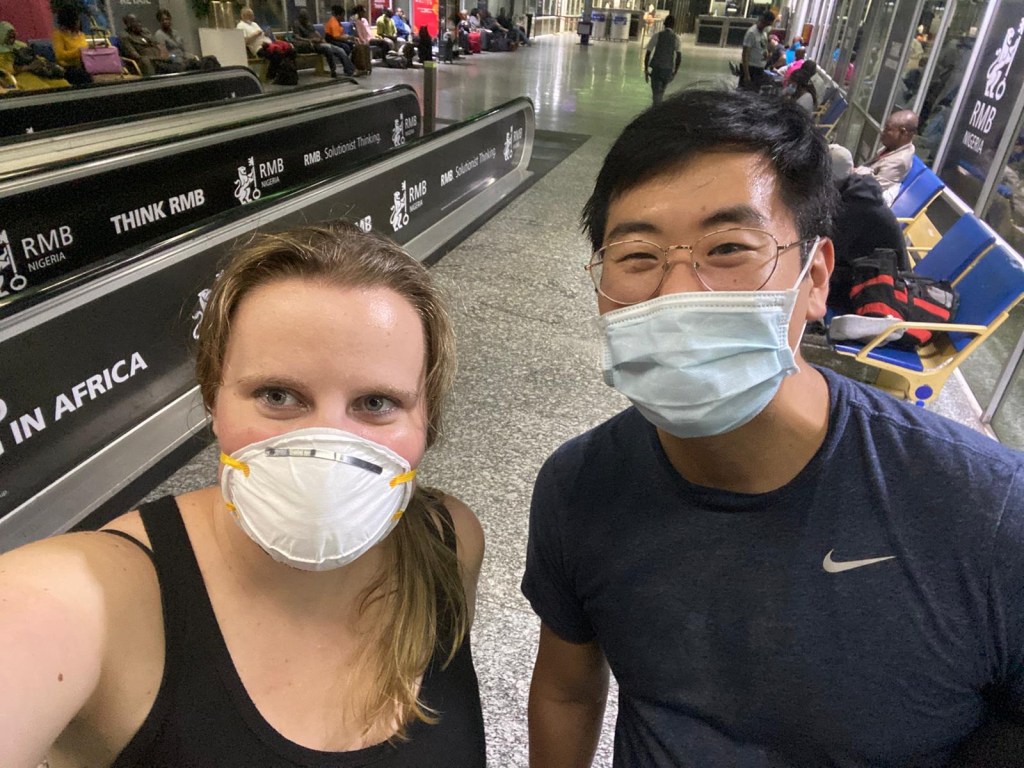
At the airport, while wearing a mask – I’m given a wide berth and only asked for 1 bribe instead of 4. As rumors stir of an impending border closure notice, even for US citizens, there are a mixture of emotions. I’m sad that I am cutting my time in Nigeria short, glad that I will be returning home, anxious about becoming a carrier for the virus, and uneasy about the future. My best case scenario would involve reflecting on 2020 and saying that I totally overreacted and that everything turned out to be fine. Until then, it’s goodbye for now Lagos.
Saying goodbye to manager at the airport as she departs for South Africa and I head to the US.
Wherever you are, I hope you are staying healthy and insulated from the Coronavirus. I am safe and sound in Nigeria and in fact am much safer than in the US. I learned last Friday that a Mastercard employee from Brazil dropped by Chicago to share some tapas with my some old co-workers. He then jetted off to New York and subsequently shut down 2 other offices after he became a confirmed Coronavirus case.
Luckily for me, Africa as a continent has had some of the lowest number of reported cases in the world right now. It’s been posited that the virus does not spread as easily in warm climates. My less optimistic hypothesis would be that the continent has been insulated by less frequent air travel which appears to be the de facto method for country-to-country spread. Unfortunately, that would mean that the 1st reported case (an Italian traveler) could likely increase in the near future as the virus slowly but surely makes its way around the globe.
On diseases: I’ve had a personal paranoia of the next global disease for a few years. If you don’t remember there was the deadly (and still active) Candida Auris superfungus that made a few waves in 2019 and has a mortality ~10X higher than COVID-19 at 35.2%. At the same time, overuse of antibiotics has led to the rise of drug-resistant “superbugs.” While many people worry about depleting the world’s food or water, antiobiotics should be added to the list of precious limited resources. The CDC’s 2019 report identified 5 other “urgent threats” along with Candida Auris. Combined these bacteria were responsible for ~15K deaths annually: Acinetobacter, C. Difficile (life-threatening diarrhea and colitis), Enterobacteriacae (AKA “nightmare bacteria”), and N. gonorrhoeae. There were also 11 other bacteria and fungi listed under the “serious threat” category. If you’re a fan of retro, we’ve also had a fun return of the preventable mumps, measles, and tuberculosis due to anti-vaccers lowering the herd immunity rate below the recommended 95% threshold.*
For COVID-19, I’ve fluctuated between extreme panic and overconfidence before finally settling into an uneasy wariness. I’ve found that the below graph articulates very clearly the most critical danger of the disease: when it overwhelms a country’s healthcare system.
Severity of Coronavirus as function of time
While Nigeria was praised by WHO for doing a world-class job at containing an Ebola outbreak in 2017, the city is quite densely populated with estimates of over 20 million people. If the virus spread quickly here, new cases could easily overload the current healthcare capacity. The only comfort is that the government has taken the news of the outbreak quite seriously, and had begun educating the public on healthy practices (washing hands, self-quarantine, etc.) weeks ago. For work we are even planning a “full work remote” simulation next Friday in preparation for when the virus could, and probably will, begin to spread in Lagos. It’s been interesting to watch from Africa how the US has failed to take the proactive steps in order to quell the spread of the virus.
While it’s good that people in Nigeria take Coronavirus seriously – there’s also a sobering reality that there are other diseases here that are already killing many people. While the Coronavirus has taken over 5,000 people globally, I’ve had at least 4 coworkers get malaria over the last month, and 1 that contracted malaria and typhoid at the same time. In fact, every year there are more than 400,000 deaths from malaria of which the majority are children in Africa. However, the disease is so ubiquitous here that in my first month I asked a co-worker if he was feeling better after he mentioned feeling a bit “hungover” during his lowlight for the week. His response was: “Yea, much better now. I think I had a bit of malaria.” :O
I’ve heard from a few people the phrase that “the Coronavirus is democratic.” People go on to say that no matter whether you’re rich or poor the virus doesn’t care. While this might not be true within America, I can see how this appears to hold on the global level – many higher-income countries have not been spared the disease. While nobody here wishes calamity on the rest of the world, I can begin to appreciate the almost poetic justice in how Africa, a continent where over 300,000 children can die of diarrhea in a year, has been spared the worst of the virus thus far.
The way Coronavirus has shaken up the world is scary. It’s also shown us how human beings and societies so easily underestimate and then overestimate risk. When the world has settled from COVID-19, I’m sure there will be another crisis: maybe candida auris, or perhaps the impacts of climate change will finally come home to roost. In the meantime, we do the most we can with what we have and hope for the best.
So don’t panic, wash your hands, leave some toilet paper for the rest of us, and we just might come out on the other half of 2020 safely.
Follow My Blog
Get new content delivered directly to your inbox.
Appendix
*I originally didn’t care about the anti-vaccer movement until I realized it could also negatively impact other people who do make the correct decision to vaccinate their children.
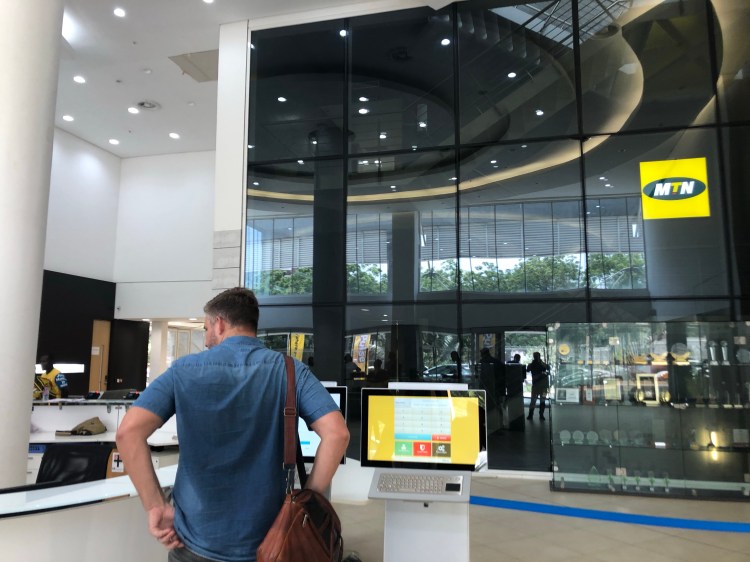
Hi friends, I had the opportunity the last week of February to travel to Accra, Ghana to assist with Paystack’s international expansion work. I tagged along with my coworker, who had setup meetings with all the major players in the payments ecosystem: developers, startup founders, eCommerce companies, and the biggest Telecom company in the country. It was quite a privilege to be meet so many amazing people who were very generous with their time.
One of my favorite conversations was with a founder who gave up a position with NASA in the US to return to Ghana and start a company that processes products from the Moringa tree. He told us his factory had recently burned down and that they had restarted operations by taking his childhood home, gutting the inside, and installing industrial machines inside to keep production going. There were also much to learn about how payments is evolving and how it the Ghana ecosystem is heavily driven by mobile money. If you have more questions and want to learn about mobile money, please let me know. Otherwise, I’m going to skip it in favor of…
The Cape Coast Castle trip
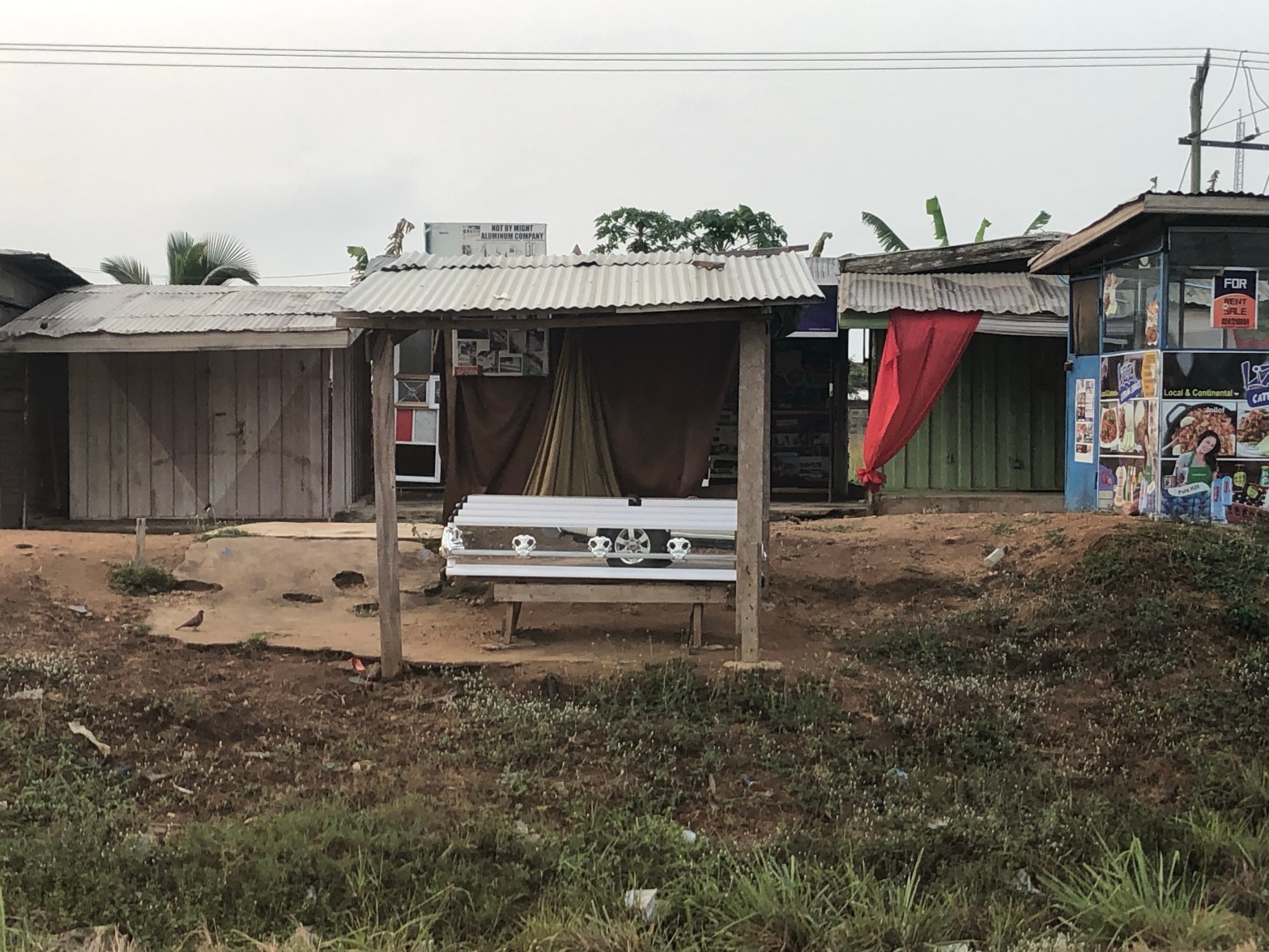
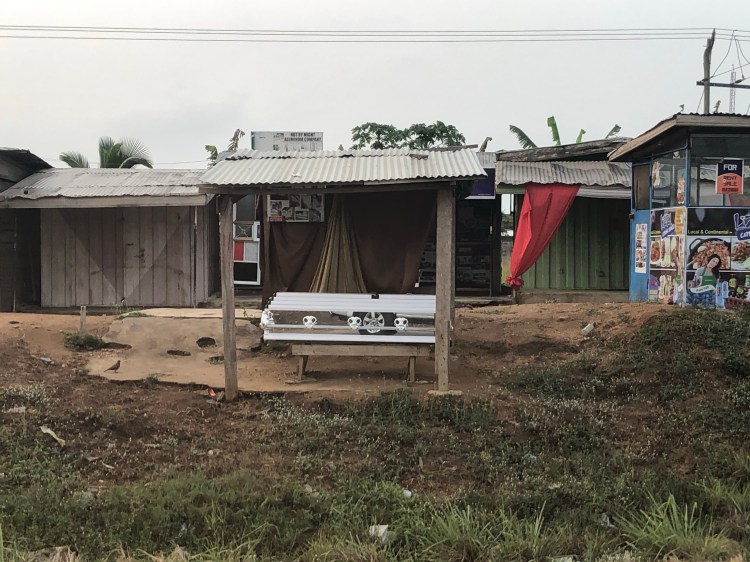
The highlight of the entire trip was on Saturday. 2 guys we had met were incredibly hospitable and drove us 3 hours EACH WAY to see the Cape Coast Castle. On our way there, we were stuck in long lines of traffic. When we asked where everybody was going, they replied “to funerals.” Apparently in Ghana, funerals constitute a major part of the social scene and many people schedule them on Saturdays. These funerals are celebratory send-offs for people after they have passed away and are filled with music, food, alcohol, and festivities. Coming from Nigeria, I was very surprised as Saturdays are generally reserved for weddings. However in Ghana, funerals seemed to take precedent as a way to send somebody off in style. We learned that coffins can even be constructed to resemble the person: a fisherman could be buried in a box shaped like a fish or somebody who liked to drink might be buried in a beer bottle.
Coffin on the side of the road taken from inside the car. Notice the red cloth which is a color associated with funerals
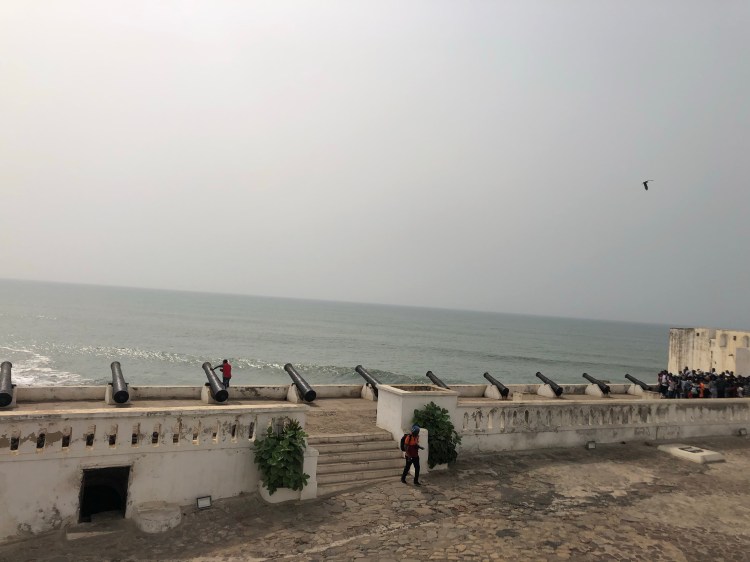
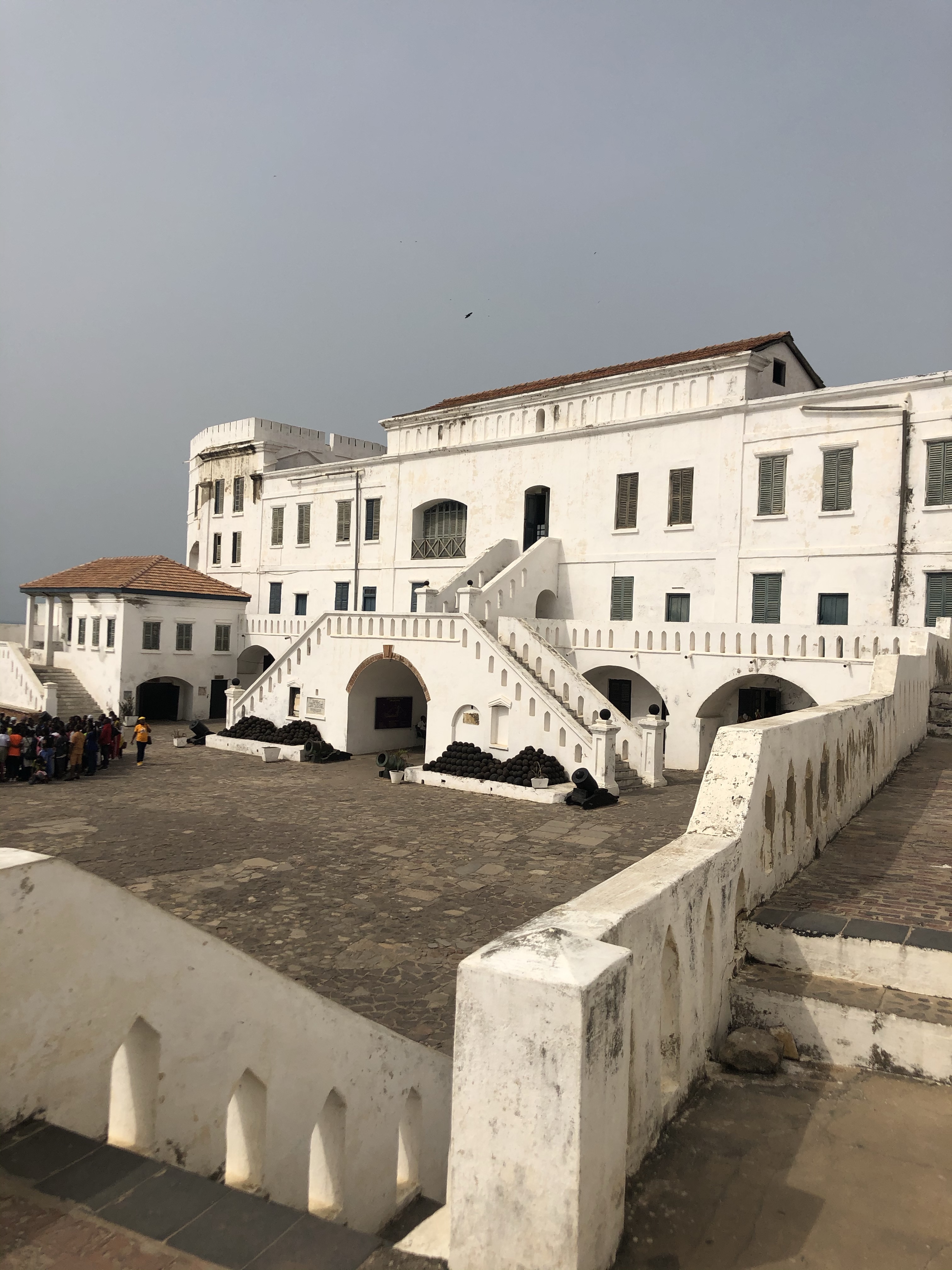
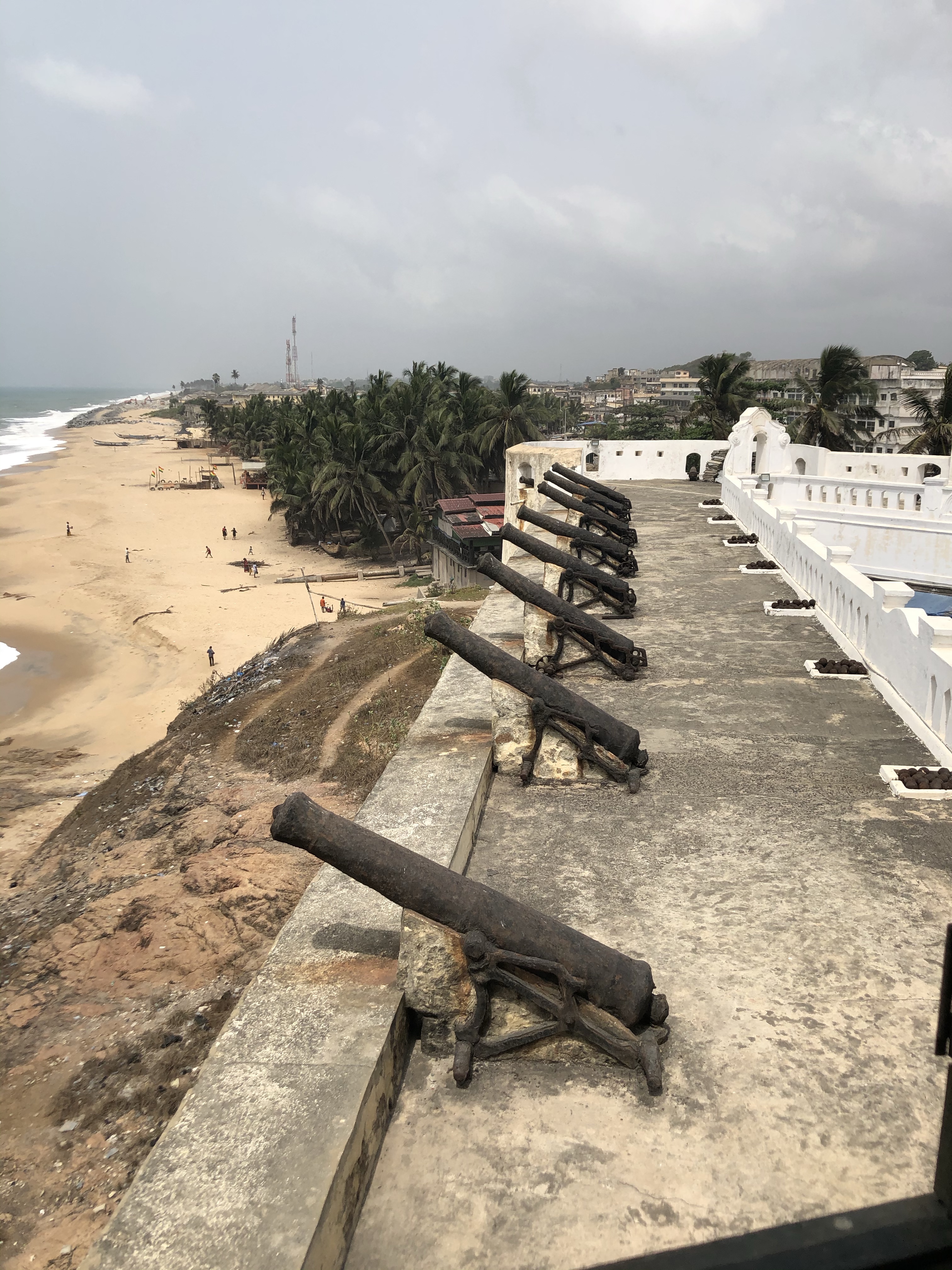
But back to Cape Coast. The castle is infamous for having been one of three castles through which slaves were shipped from West Africa across the Atlantic as part of the “Triangular Trade.” From what I had learned in grade school, the triangular trade was the trifecta of slaves from West Africa, harvested sugar cane in the Caribbean, and rum in New England/Europe, which was then shipped along with other goods back to Africa for a viciously profitable cycle. When you take it in perspective, the transatlantic slave trade was estimated to have operated for over 300 years, that’s longer than the USA has existed as a country!
View from Cape Coast Castle
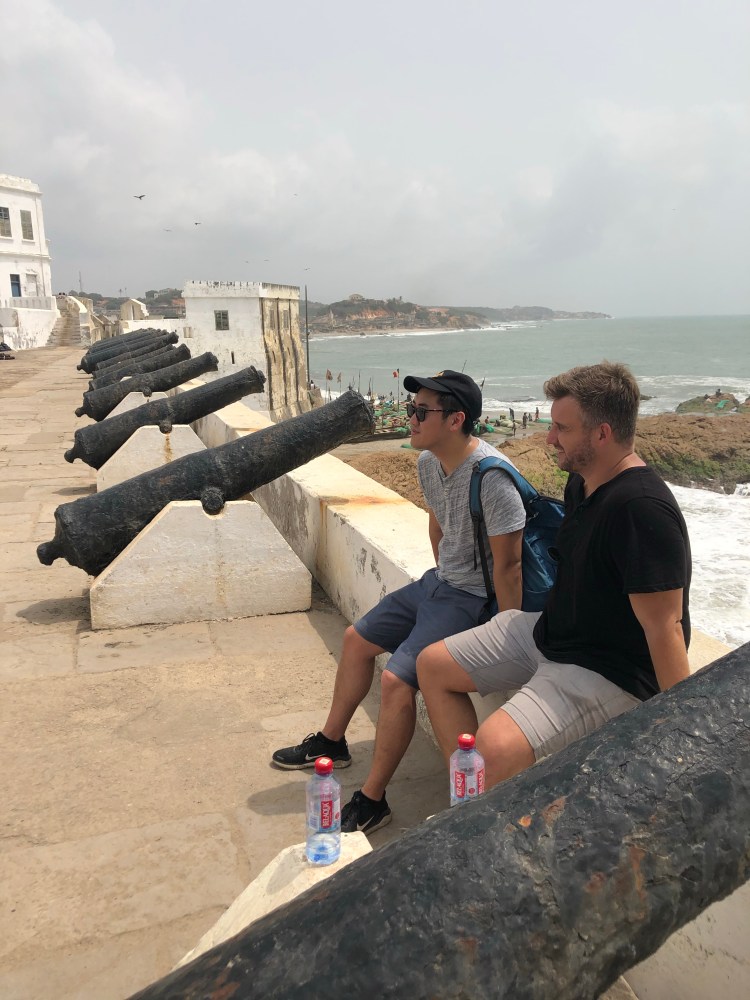
Me and my coworker Joel in deep thought after the tour
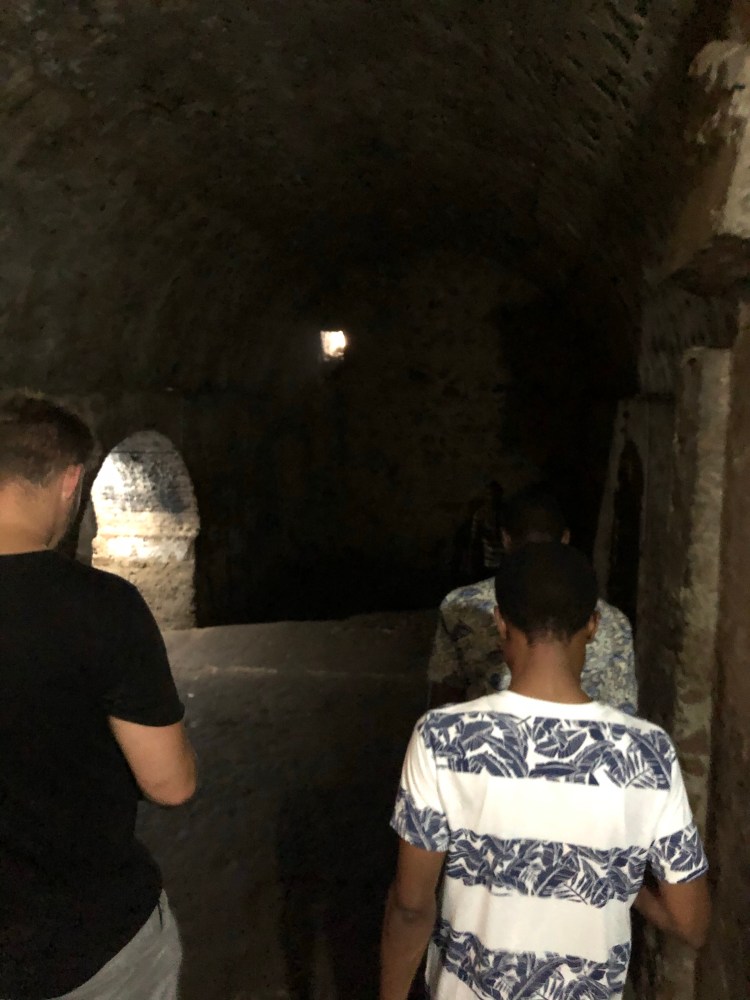
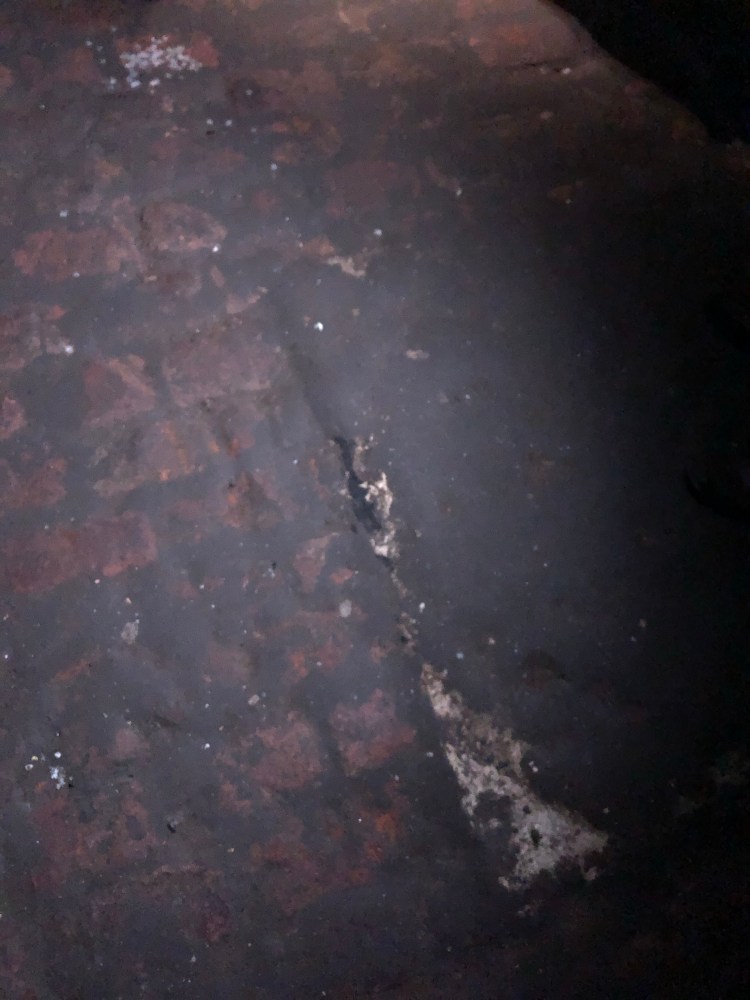
(trigger warning – the content below details some of the graphic experiences of slaves) In short, the castle and tour was well worth the 6+ hours of driving. Once we arrived, we were first taken into the male slave dungeon. The dungeons were quite dark and thankfully cooler than the harsh sunlight outside. But as the tour guide began talking, he pointed how the floor in the current room was made of brick, yet the floor in the other rooms of the dungeon were smooth. The reason why: the current room had been excavated. The residue of human bodies, blood, dirt, and feces for over 300 years had solidified over the original bricks and constituted the floor that we were standing on.
Entering the male slave dungeons
The excavated brick juxtaposed with the 300 years of human residue
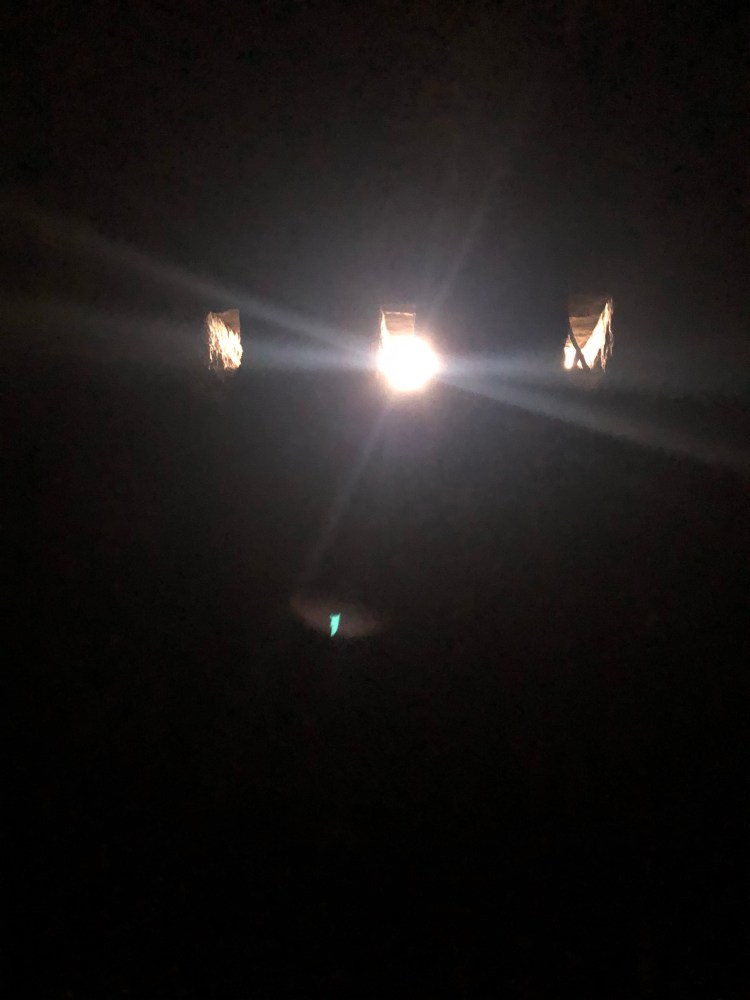
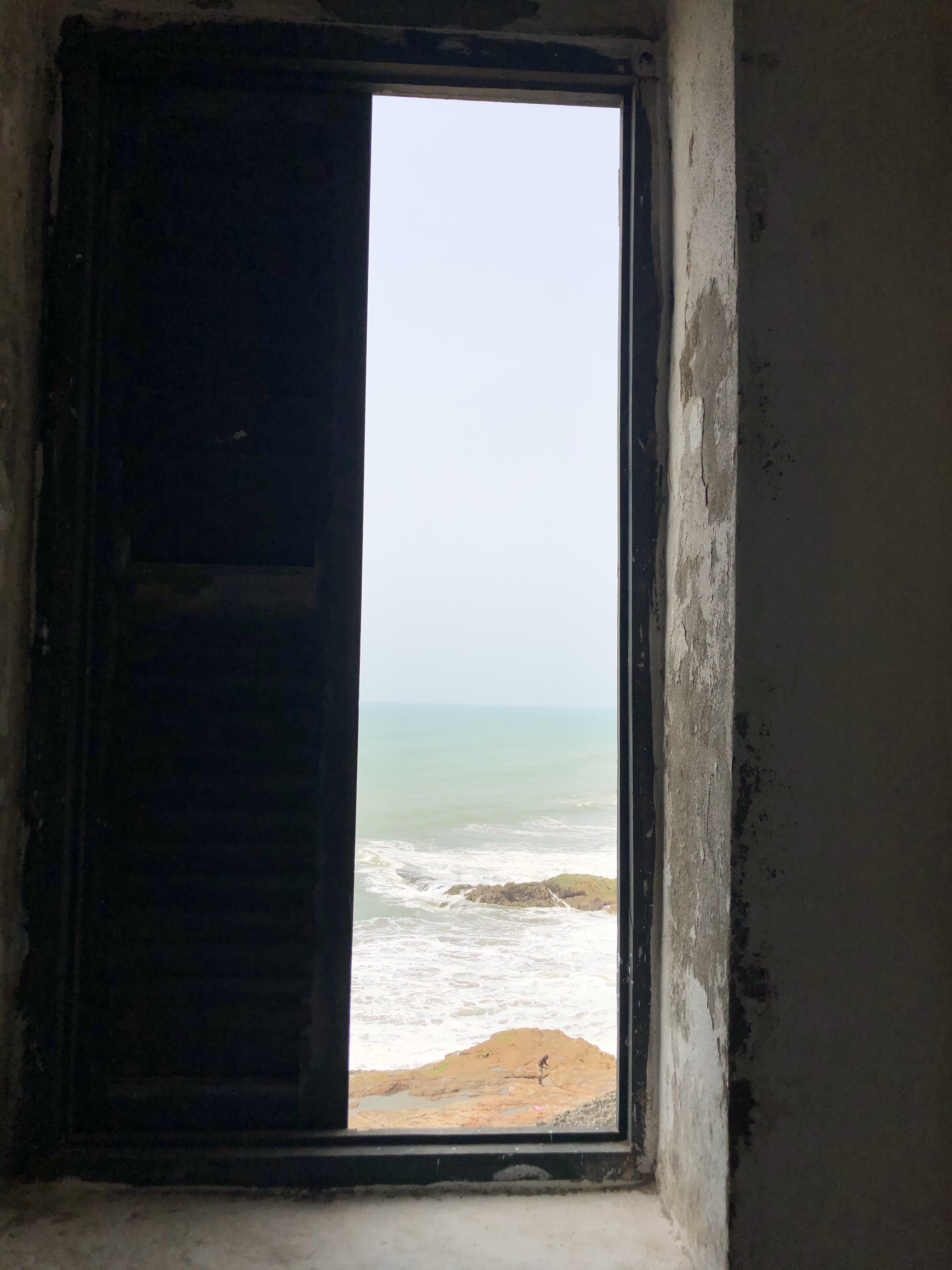
3 windows of light allowed into the dungeon
The next room we were taken to was a smaller dungeon. The tour guide told us that this was the room where male slaves who were rebellious and tried to escape were taken 15-25 people at a time. Then, they were literally left to die and their bodies were thrown into the ocean. The guide turned off the light and we stood in silence for less than a minute. It felt like an eternity, I could hardly bear to be in the hot and cramped cell. It must have been a living nightmare being left for weeks in there to die.
After leaving the men’s isolation cell, we viewed the women’s isolation cell. In this room, women slaves were kept if they resisted advances by the guards. In their case, they were not left to die, but instead were kept in that cell until their spirits broke and they would no longer resist the soldiers raping them.
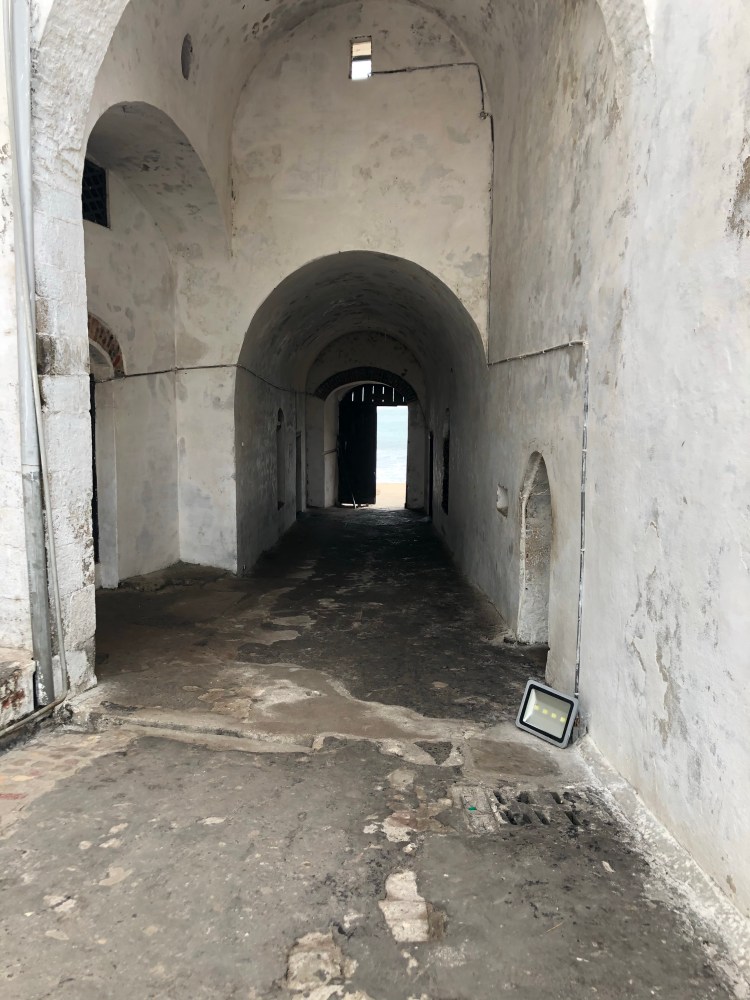
At the far end of the castle was the “Door of No Return” through which slaves would be taken out to be loaded onto ships across the Atlantic never to return.
The Door of No Return
Our tour group was then taken up the stairs to the governor’s quarters which were quite elevated and had many windows. The cross breeze in the governor’s quarters felt quite cool and it was a completely different world from the dungeons less than 100 steps away. The tour guide specifically pointed out the juxtaposition of how well the governor’s quarters felt in comparison to the hot and cramped slave experience.
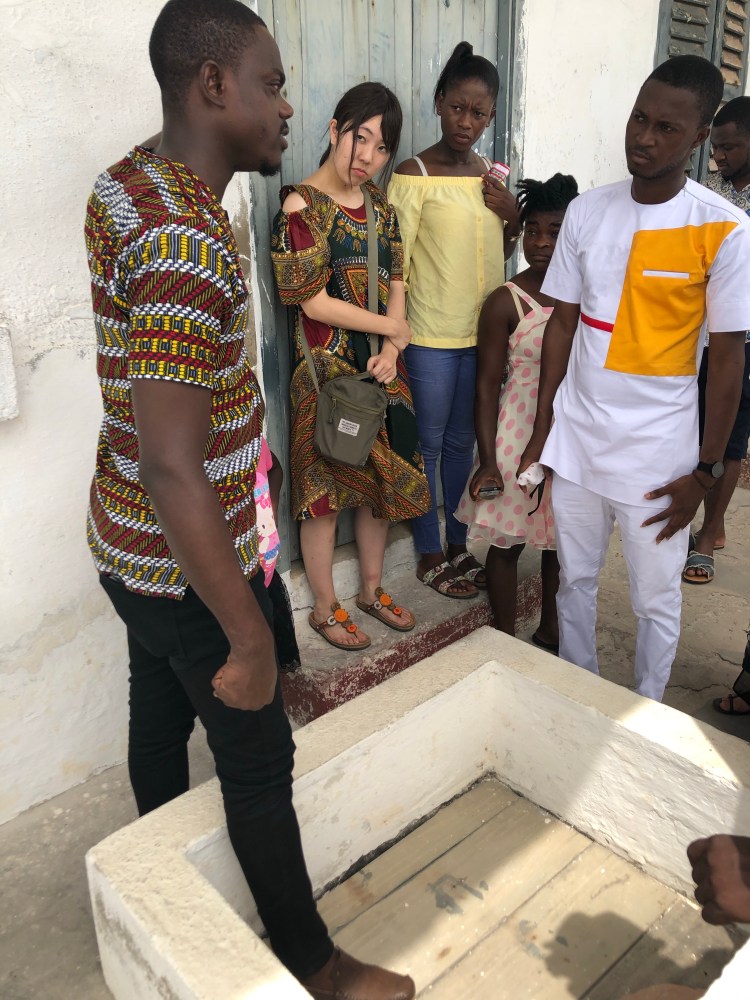
Our last stop on the tour was the church that was built directly on top of the slave dungeon. From this church, people would worship God, and then right outside the door of the church was a lookout hole from which people could check in on their slaves below. The image of people going to church, preaching values of love and freedom and righteousness above enslaved Africans was so hypocritical that I still have a hard time reconciling the ideas in my head.
Our tour guide standing over the lookout hole directly above the slave dungeons outside the door of the church
The whole experience left quite an impression on me. As an American, I briefly remember time that I spent in my early education covering the history of how slaves came to America. But it never occurred to naive 12-year old self that I would someday visit the place where people lost their freedom and see where the dark mark of slavery on American history began.
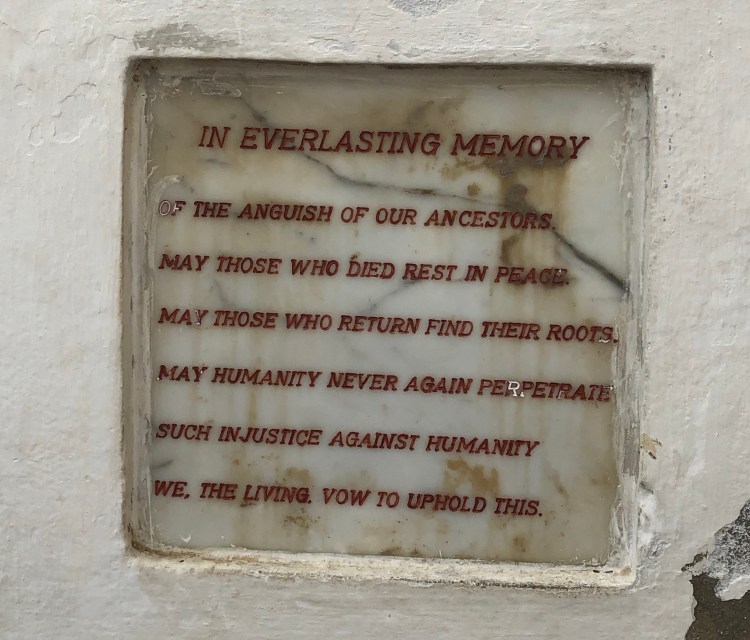
Our tour guide finished with the speech that slavery continues to exist to this day in the form of sex trafficking, forced labor, child slavery, and more.* But Cape Coast Castle represents more than just the experience of slaves from West Africa: it stands as a lesson that we must not forget the injustices and hypocrisies of the past and stand for the freedom of all people.
Follow My Blog
Get new content delivered directly to your inbox.
Appendix
*I’ve been reminded of current human rights violations in the US going on right now. What is the difference between locking up slaves in West Africa with locking up South American immigrants in detention centers? 300 years and a presidential endorsement.
I’ve finally found the time to write about Paystack. My favorite story that I like to tell people when they ask if I had any doubts about moving to Lagos goes like so:
On the phone with my mother 2 days before my flight to Nigeria: My mother: “So, just to confirm. You’re SURE that Paystack is a real company?” Me: “…..ye-…yes?” Pulls up Paystack’s website on my phone Me: “I mean, the website looks very legit.” My mother: “…okayy…” Me: “and I interviewed with people who were working in an office” My mother: “uhuh..” Me: “So yea, I thinkkk it’s a real company….I’m pretty sure it is.”
Rest assured, Paystack was not a hoax, and it has surpassed all of my expectations.
So what exactly is Paystack?
From the website: “Paystack helps businesses in Africa get paid by anyone, anywhere in the world.”* At this point, Paystack is a 4 year old, >100 person startup. It was the first Nigerian company to participate in Y-Combinator, a prestigious startup incubator in the Bay Area. In 2018, Paystack raised $8 million in a Series A fundraising round led by Stripe which also included Visa and the online Chinese company Tencent.
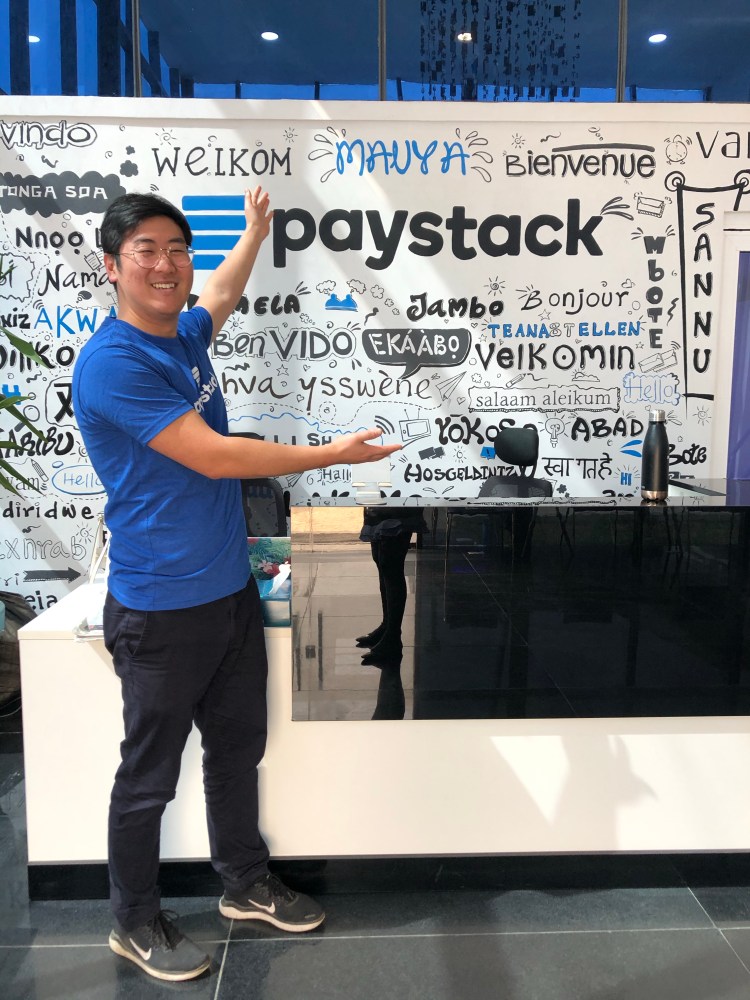
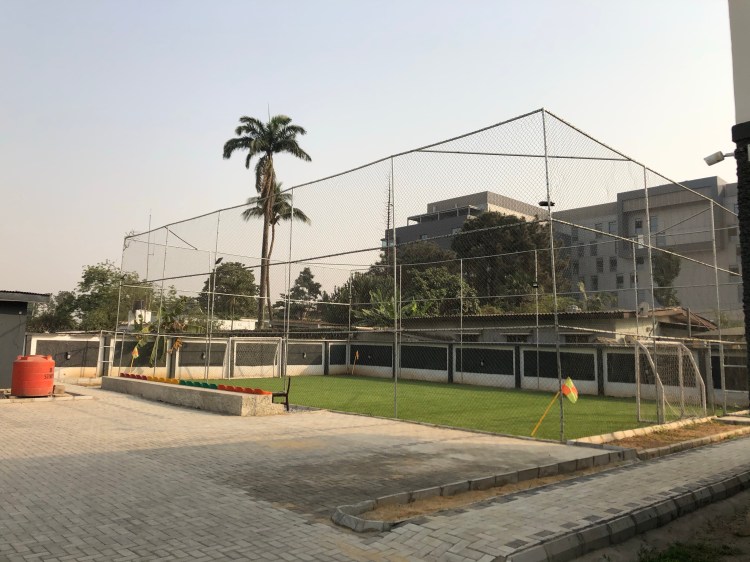
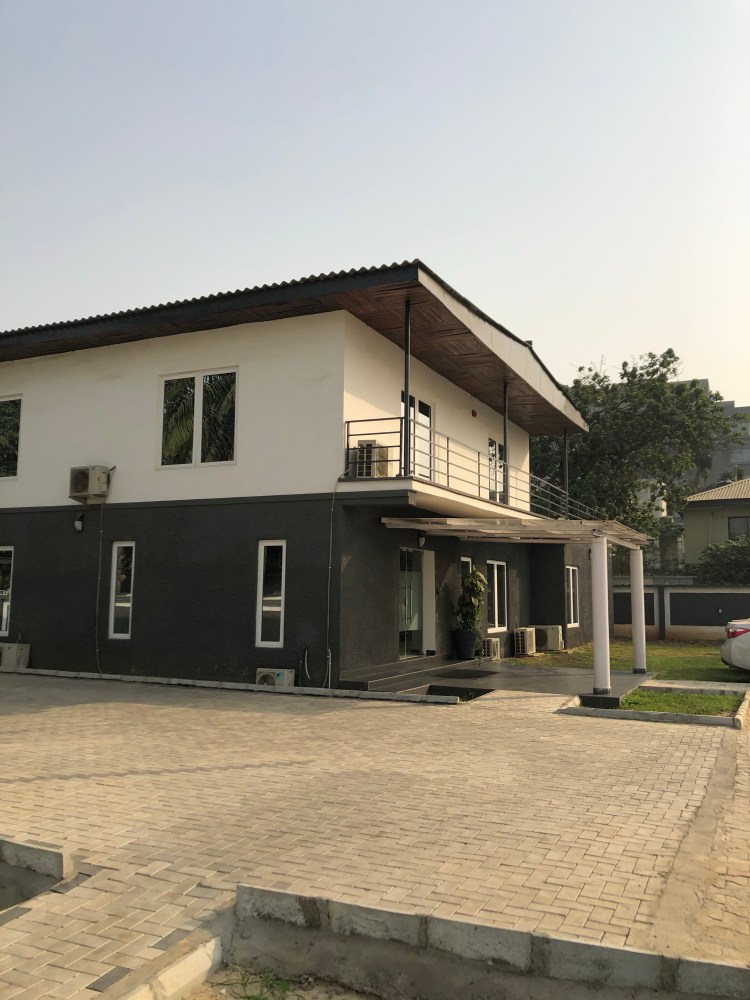
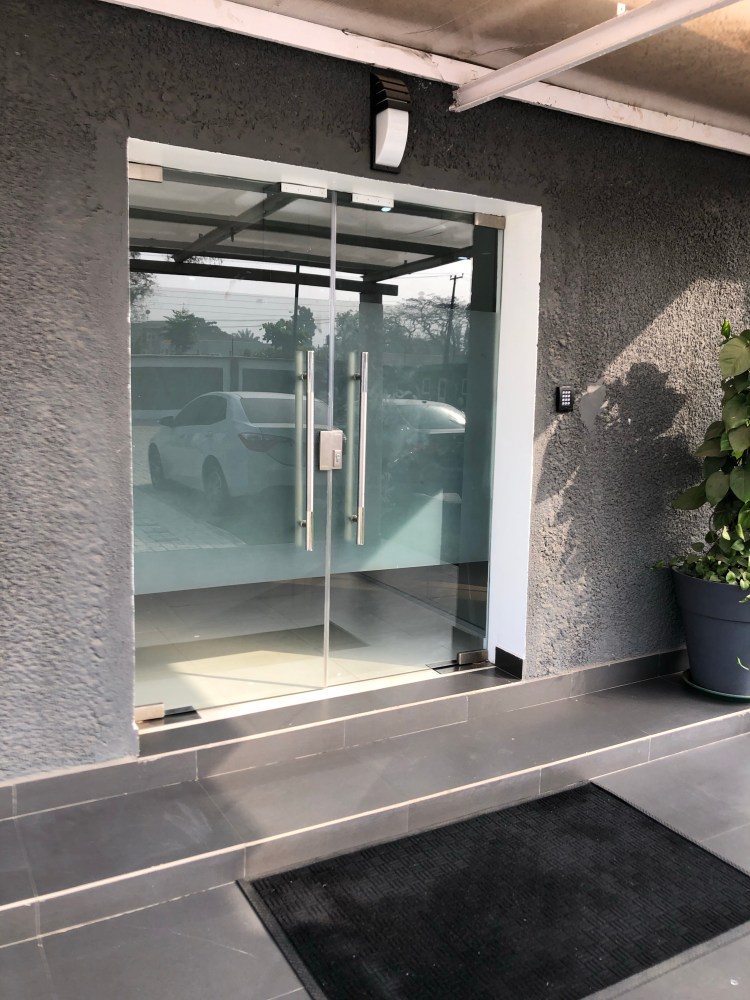
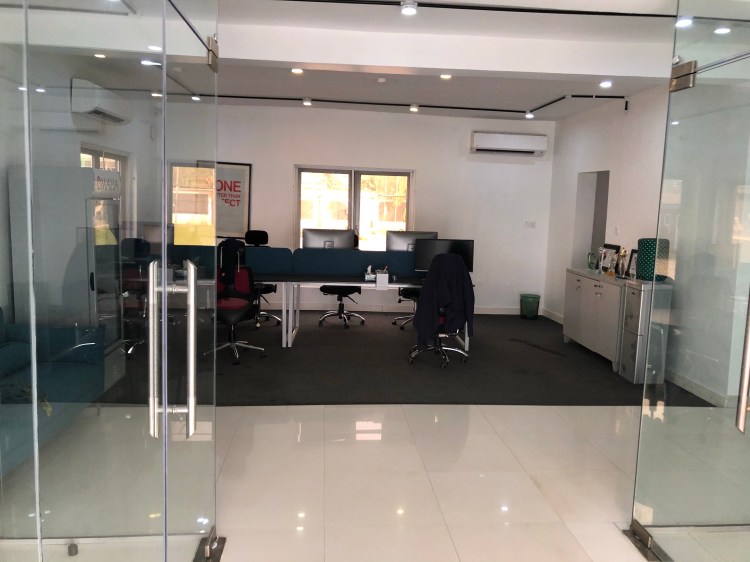
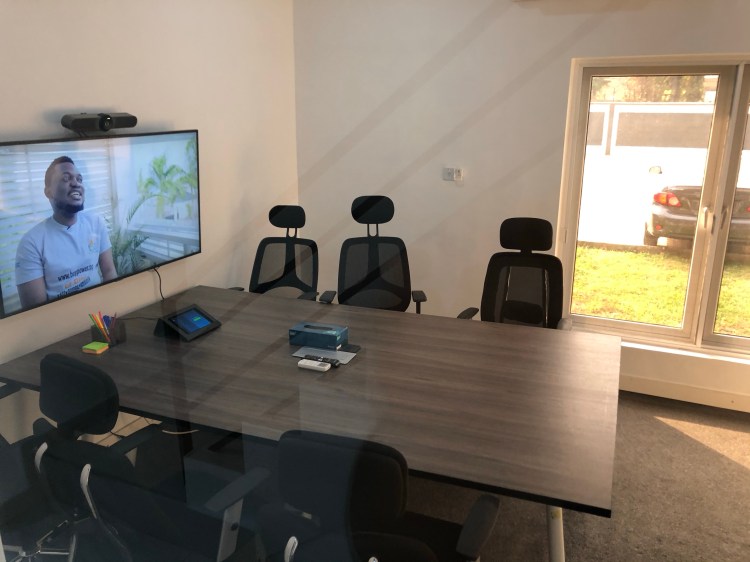
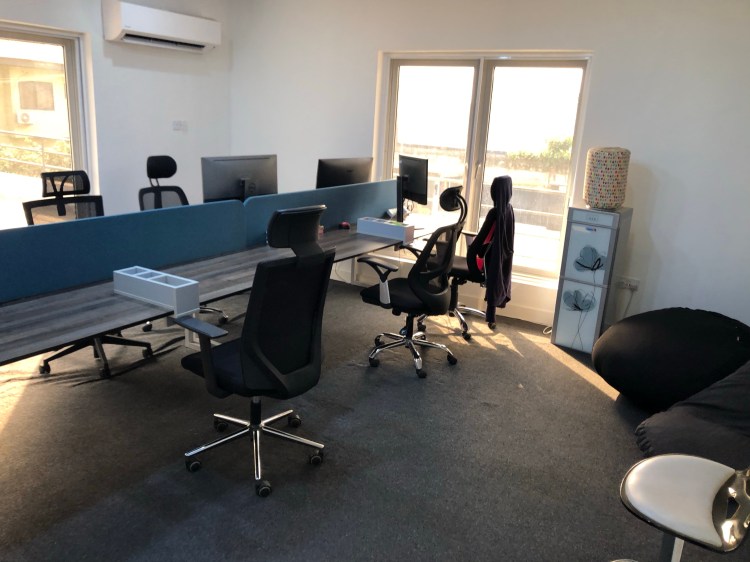
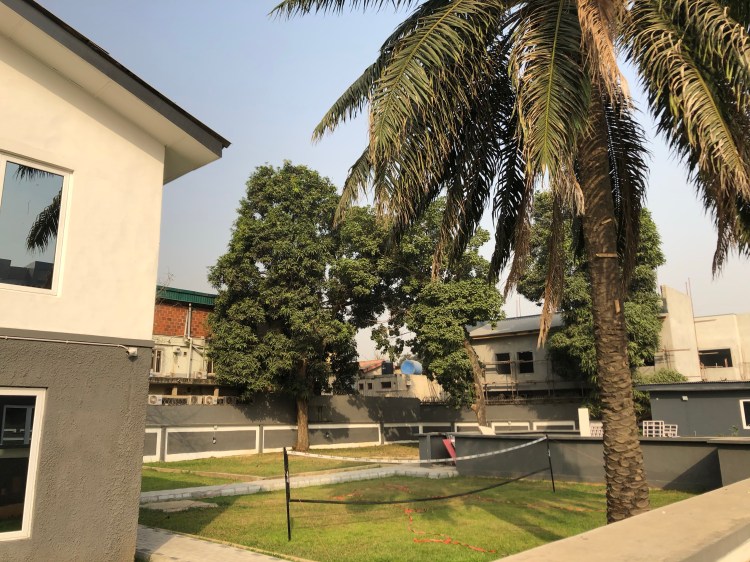
In many ways, being at Paystack feels just like being at a US tech company. There’s a soccer field with an inter-company league. Lunch is provided everyday, and the office is super nice (pictures below). But there are a lot of things that make it unique.
On the first day that I “resumed” (started working), my fellow cohort of new-hires included a Turkish engineer with more than 12 years of experience and a former successful Nigerian startup founder. I felt pretty outclassed to say the least.
My manager previously worked in Venture Capital at the International Finance Corporation, and out of the hundreds of startups she reviewed, Paystack was the only company she considered (and ultimately ended up) joining
When I was reviewing some work with the CEO, Shola, and getting some feedback, I was struck when he asked me: “What can I be doing better?” and “Is there anything that you would do if you were in my position?” It always surprises and impresses me when very senior people ask questions in such a candid manner that shows they truly want to improve and do better.
It’s very common for many people to have “side hustles” and run their own businesses. One person runs an entertainment events company, somebody else has a t-shirt business, a teammate constructed an automated palm oil factory from scratch/runs an education program, and my new roommate built a data warehouse in Sweden as CTO for a cryptocurrency company. My mind is blown every time I hear somebody’s backstory.
It’s mission-driven:
At it’s core, Paystack is about enabling digital payments, which is an essential aspect of a country’s financial infrastructure . Without easy and accessible payments, growing Nigeria’s economy and Africa’s economy at large is near impossible.
The longer I’ve been in Nigeria, the more examples I see for why this is necessary. Growing up in the US, I’ve always taken successful payment transactions for granted. Here, I once watched a coworker unsuccessfully charge one debit card, and then perform a bank transfer to move money into another account to charge a different card. After 20 minutes of trying, we gave up and paid in cash. Another time, I had to make 5 attempts in order to get 2 successful ATM withdrawals.
The company and people prioritize culture and values:
Every Monday, our 1.5 hour business team meeting kicks off with “highlights and lowlights” which is exactly as it sounds: the best and worst parts of your last week. My first week I thought it might be a once-a-quarter thing, but then realized after the second time that it was every week. I was so surprised since I’d never heard of such a thing in American business culture. However, it might be Paystack specific and I’m not sure if other companies in Nigeria do this.
Every Thursday morning, we have an “all-hands meeting” where teams give updates, people make shout-outs (acknowledgements/public thanks), and newcomers are introduced and asked questions by the whole company. My first Thursday, when I was on the hot seat I had to answer questions such as “if you had to live in one place for the rest of your life where would it be?” and “If you could choose anybody to have dinner with who would it be?”
The 6 values for Paystack are: Continuous learning, choose transparency, practice kindness, insist on high standards, take ownership, communicate clearly, and embrace the mission. We covered it pretty extensively during my onboarding. To be honest, I’m surprised that I can generally remember 3-4 values off the top of my head. For any other place I’ve worked at, I wouldn’t be able to tell you a single one.
Professional Development:
Working at Paystack has already felt like a huge boost to my professional development. For my first assignment, I was put on the core payments team which is a cross-functional group that oversees all payments functionality at Paystack. The engineers are some of the most senior in the company and the CEO is acting as the Product Manager.
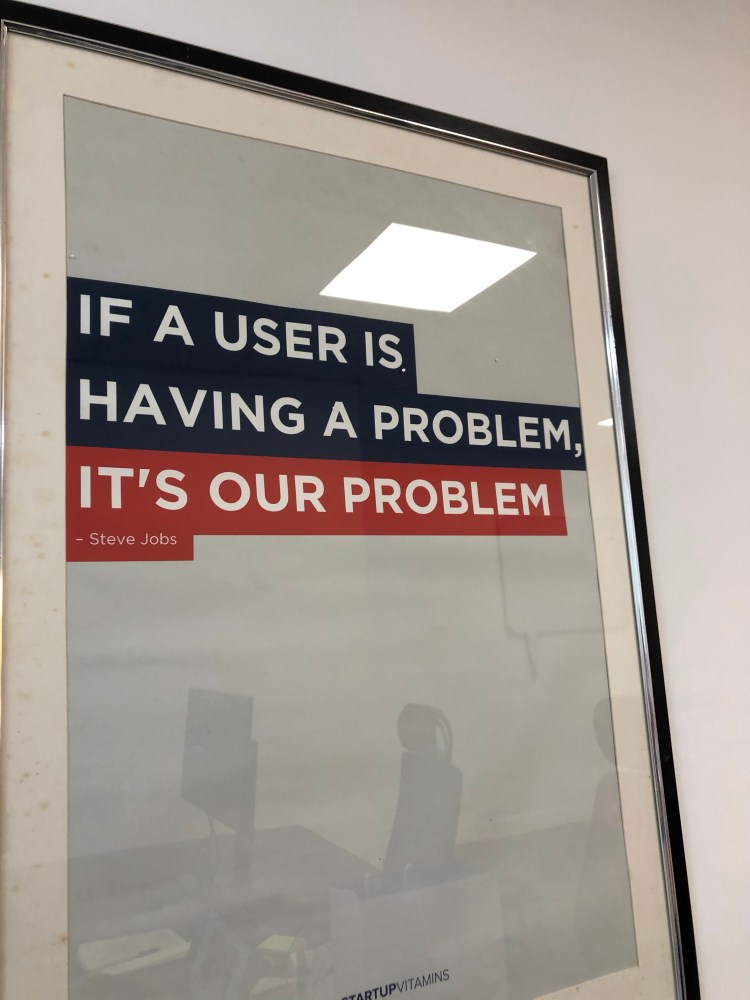
Some Steve Jobs inspiration next to my desk
My work (getting data, running analysis) has not changed dramatically, but has personally felt more impactful just by virture of Paystack being a smaller company: I’ve been able see/experience the immediate impact of the work I’m doing.
Additionally, I am the only “data scientist” at Paystack. While I don’t necessarily think that my skillset is unique, as there are plenty of technical people (especially engineers) who could easily do the work that I’m doing, I’ve made peace with imposter syndrome feelings by telling myself that I incorporate a different ratio of skills (X% technical, Y% business, Z% data science) than what people use in other roles.
Last, but not least: the Paystsack Offsite
My 2nd weekend Paystack coordinated a 2-day (Fri-Sat) stay at a hotel on Victoria Island. This is a quarterly event where the whole company comes together to do team bonding activities, listen to presentations and “fireside” chats about Paystack and where the company is headed for 2020.
It was interesting how a lot of time was spent telling and listening to stories about how Paystack was built and early tales from when the company was just starting out. As I think about how companies are built, it probably is a worthwhile investment since the story of how Paytsack came to be is important to better understand what the mission is about.
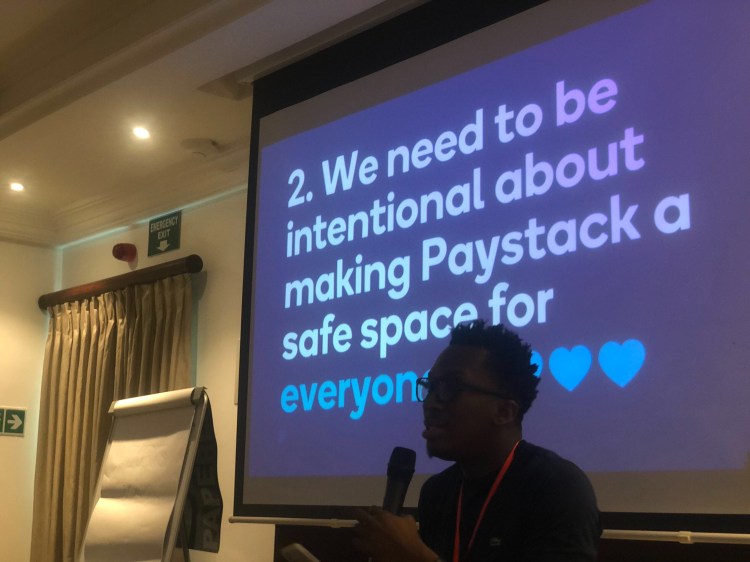
Shola (CEO) talking about making Paystack inclusive
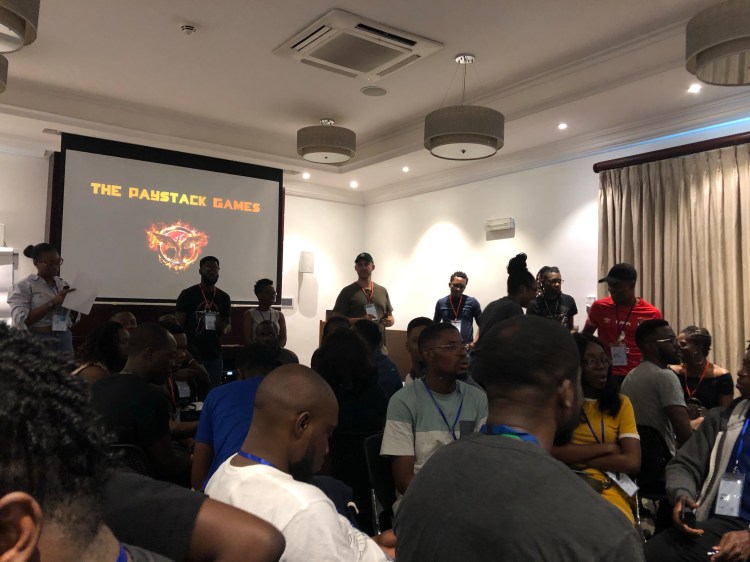
The theme of the offsite: the “Paystack Games”
There was a really great Q&A session with a Managing Director of one of the banks in Nigeria. I really enjoyed some of his ideas and commentary. For example, his observation on the term “financial inclusion” was that it feels like a buzzword. His comment was: when people have enough money, they can figure out how to sign up for a bank account themselves.
The theme of the offsite was the “Paystack Games” (a la Hunger Games) where we were divided into 9 districts. My district (District 4) ended up winning, we also had the best chant: “Hoo Ha, OFF WITH THEIR HEADS” – X3.
There were game stations which ranged from shooting a toy bow and arrow to completing a wooden jigsaw puzzle with pieces you had to retrieve from the pool
People got VERY competitive, during the final “Who wants to be a Millionaire” game, all the other districts attempted to block us from winning by debating the technicality of where the first Paystack office was located. Somebody also dislocated their shoulder while swimming.
Other random things:
Paystack has a very good work remote policy which many people take advantage of. Because Lagos can have extreme traffic, some people find it both less stressful and more productive to forego sitting in 1 hour of traffic each way and work from home.
There is an exclusive WhatsApp gym group that I just made it into recently. To be added to the group, you must have gone to the gym at least 3 times. If you miss 1 week of exercising, you are put on probation, and if you miss a 2nd week you are removed from the group.
People are super friendly, and I’ve actually noticed that I am being anti-social in comparison with my coworkers by not going around and greeting people. I’ve made it a habit to work in a different section of the office every week to make sure I’m saying hi to people.
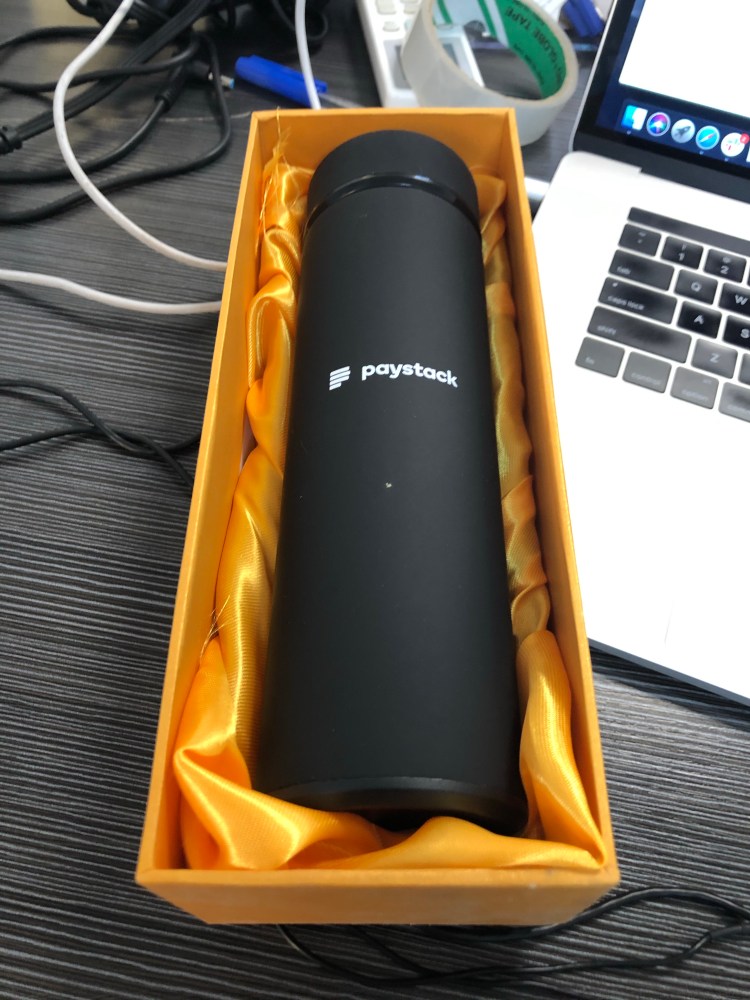
There is an employee experience team that takes care of all people requests from ordering food to setting up recycling logistics. They arranged for all my transportation (getting me safely from the airport). Also check out some of the Paystack swag they gave me.
Things that are hard(ish):
Paystack is still a startup, so while I see a slight reduction in my average working hours, it means that I’m not necessarily the last person some days if I’m working past 9PM. The good thing is that I don’t feel pressure to work late, but rather the work itself is engaging.
Using Slack. This is not even a Paystack specific thing, but I have a difficult time keeping up with conversations on Slack as messages and communication splits into a myriad of threads and sub-discussions. I think I’m slightly old-fashioned, but I feel like I had a much better system to keep track of things when I was using email.
Overall, I have very few complaints (First World Problems?) and am very glad that Paystack turned out to be more real than I could have ever hoped it to be.
Follow My Blog
Get new content delivered directly to your inbox.
Appendix
*Additional info about Paystack:
If you’re looking for a bit more detail, Paystack acts as a payments facilitator by building custom payment solutions through a suit of payment APIs
If you are familiar with Stripe in the US, Paystack has a very similar business model
If you’re like me and didn’t know what API stands for:
API stands for Application Program Interface. From what little I’ve tried to understand, an API acts like a messenger that takes requests to a system and returns the response back to you. Using a real world analogy like a restaurant, an API would act as your waiter that would interface between you and the kitchen to order/bring you your food.
Said another way, APIs are the building blocks of digital connectivity.
Apologies for the delay: I’m am still planning to write a post about working at Paystack, but for now please enjoy this touristy/travel post about cool things in Lagos.
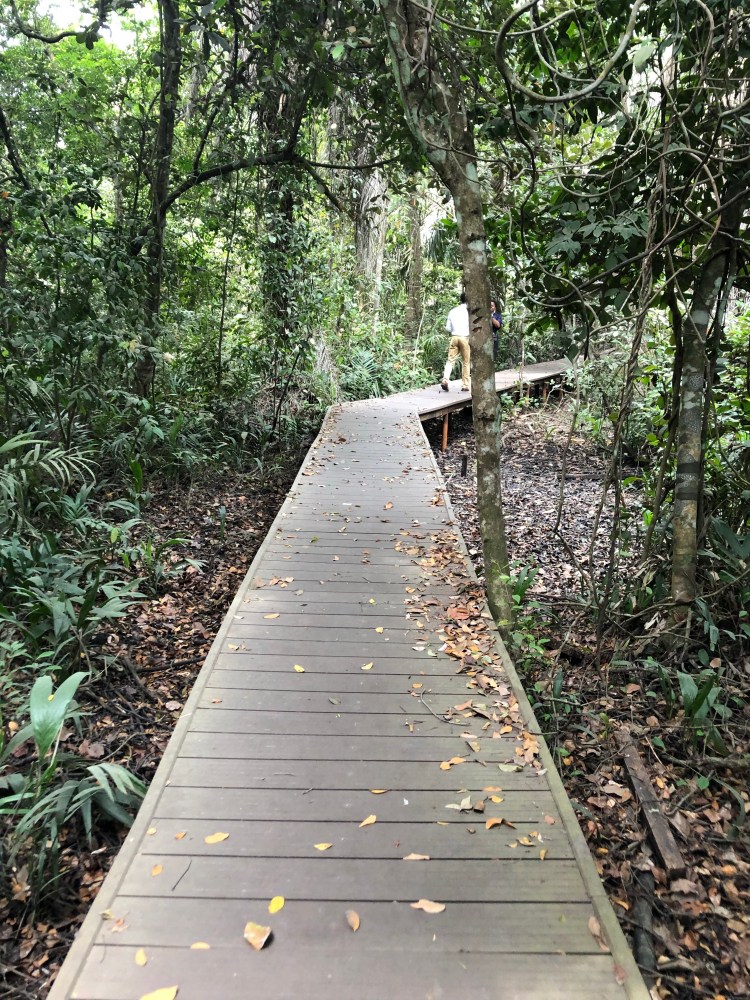
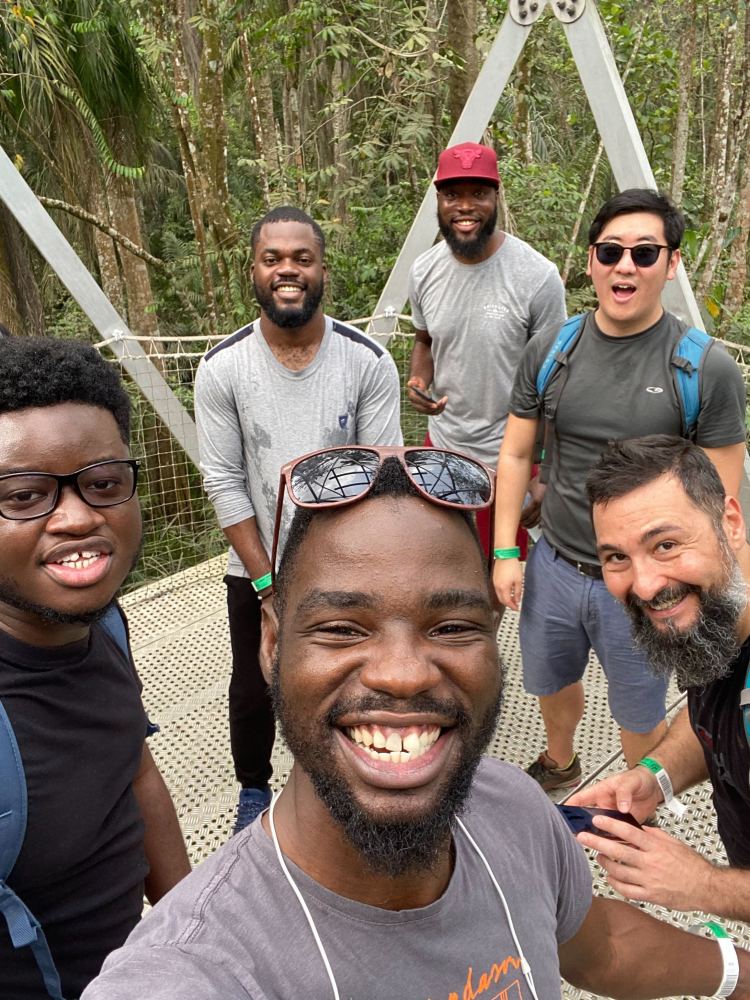
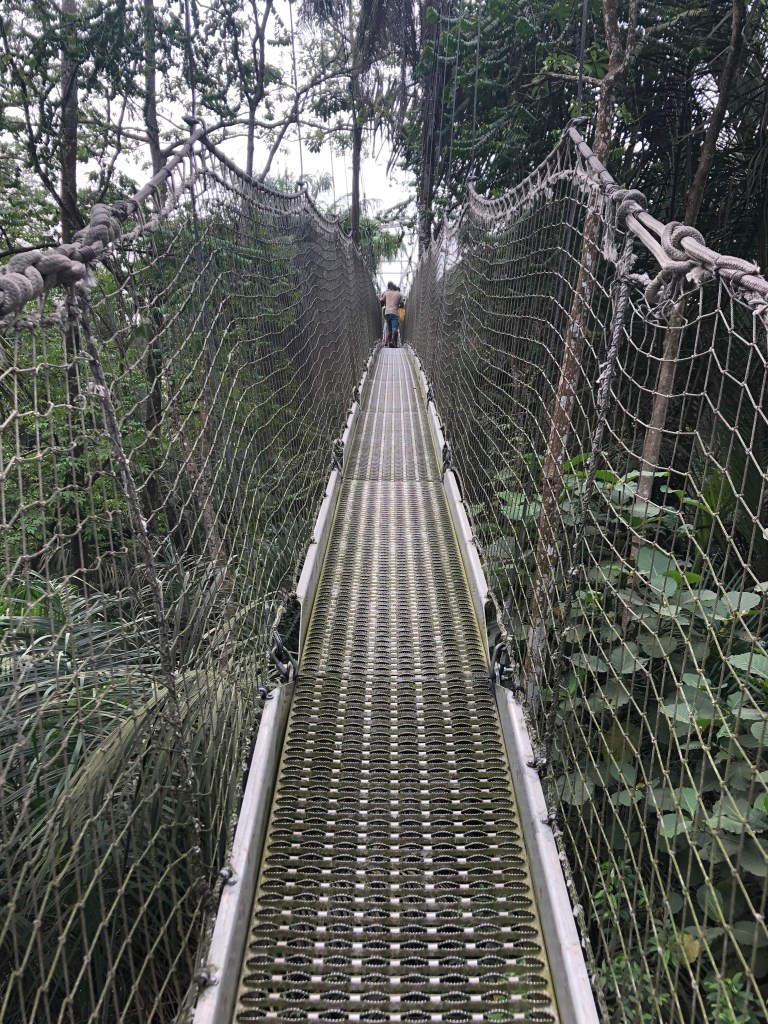
My first weekend, I went with a group of coworkers to the Lekki Conservation Center. Lekki is an area of Lagos about a 40 minute drive away from the area I’m living in (Ikeja GRA). The canopy walk was pretty fun and is apparently the longest canopy walk in Africa (photographic evidence).
Lekki Conservation Centre
Group photo
Canopy Walk
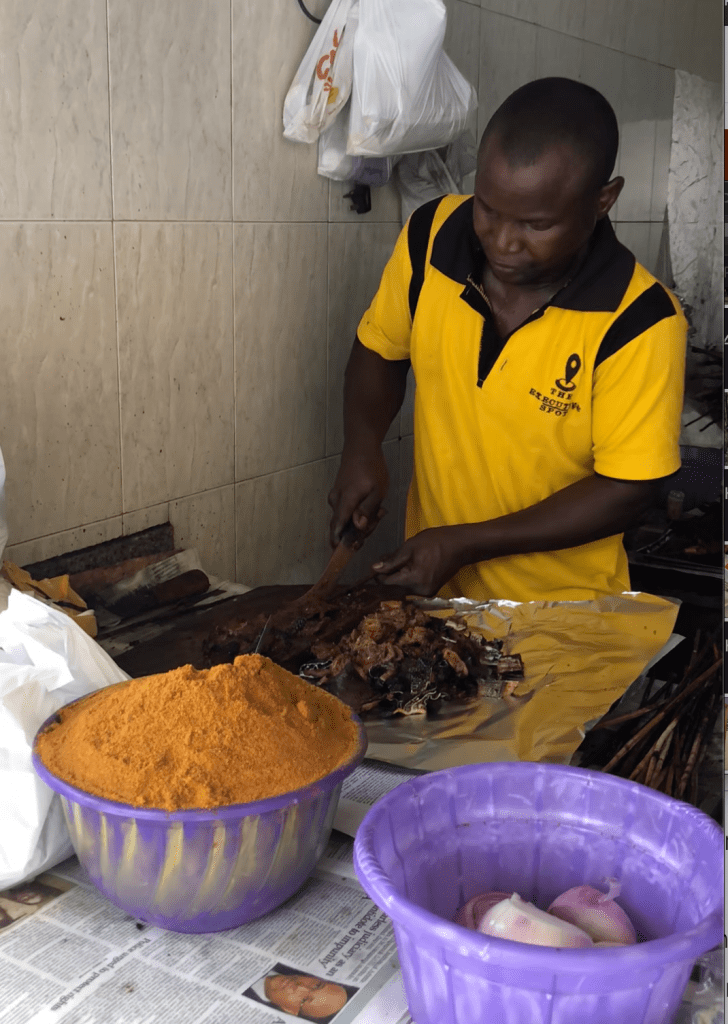
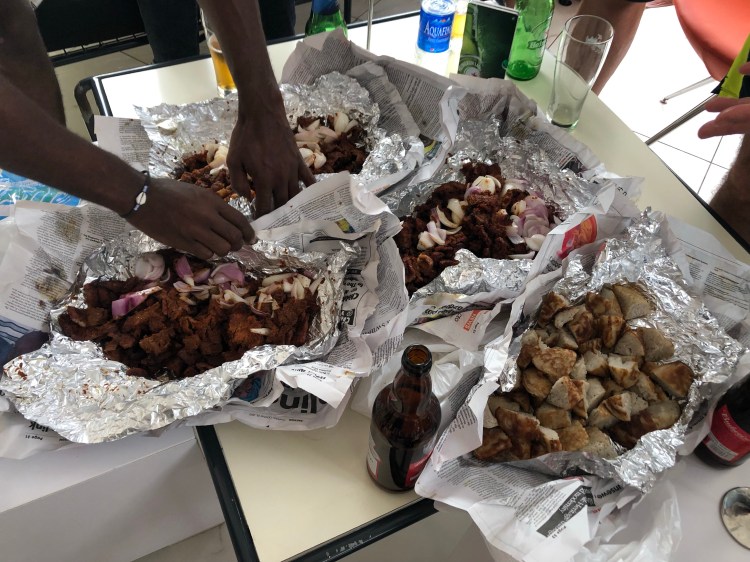
After we finished the hike, we headed to Glover Court on Victoria Island where we chowed down on some suya. Suya is barbecued meat powdered with spice that is just a bit spicy but very tasty. The feast included beef, chicken, intestine, and gizzard. The intestine and gizzard tasted pretty good, just a bit chewier than the beef and chicken meat. Afterwards, people talked passionately for 3 hours about a wide range of topics from naming the most important cities in Nigeria (Kano in the north was quite contentious) to feminism and religion.
Preparing the suya
Suya feast
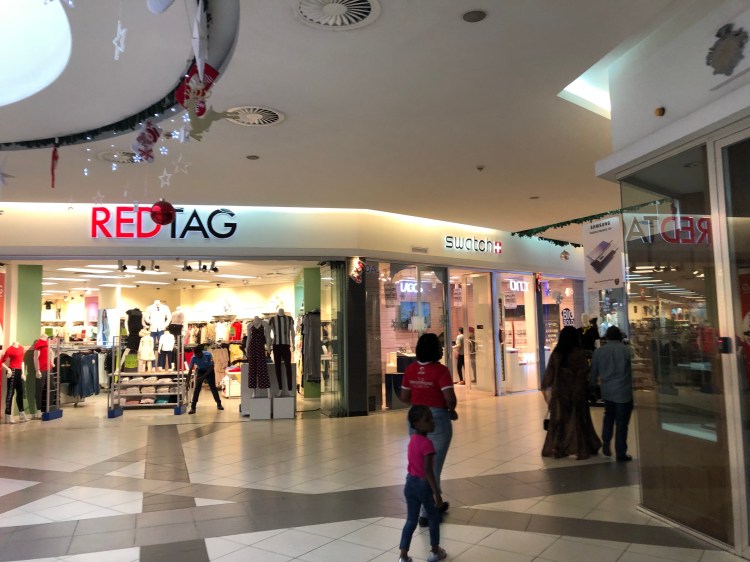
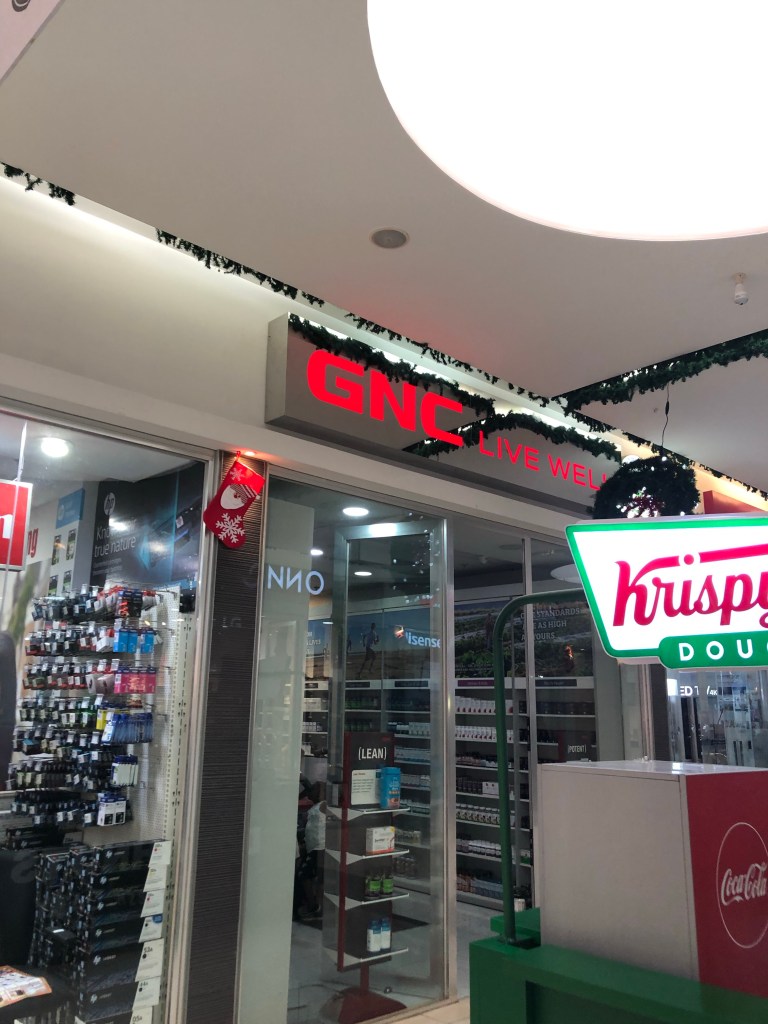
I went to check out the Ikeja City Mall where I somehow managed to run into another coworker who’s based out of France and was also exploring Lagos. The mall was pretty standard, and the prices of clothes and other goods were in the same price range as what I’d expect to pay in Chicago.
Ikeja City Mall
Beloved US brands GNC and Krispy Kreme
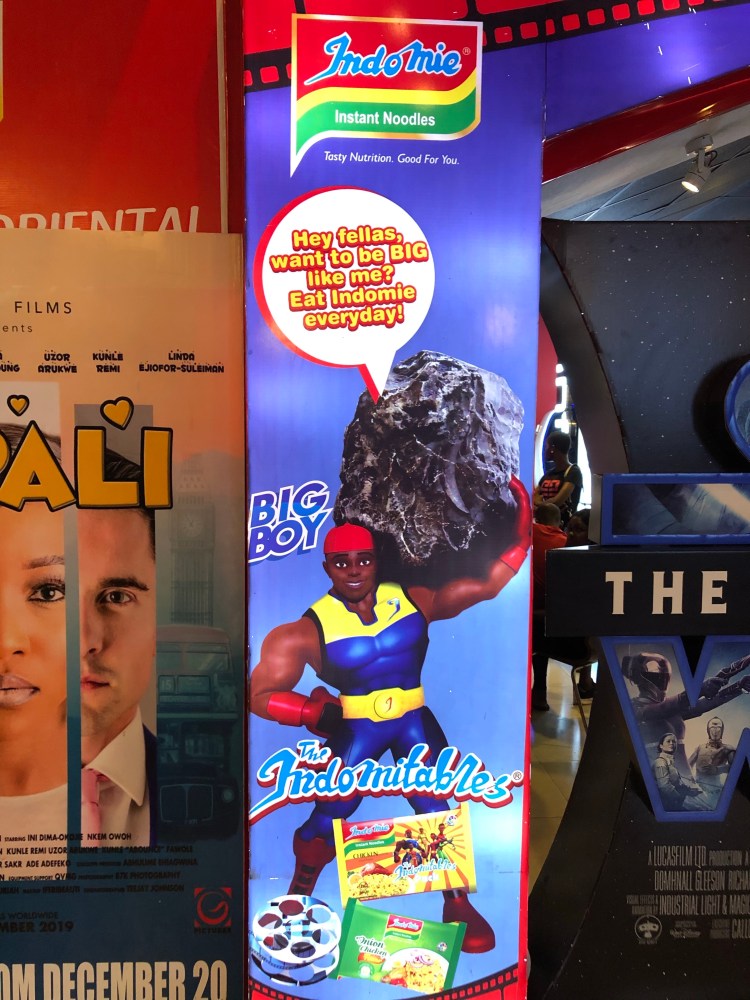
Very random and amusing Indomie poster
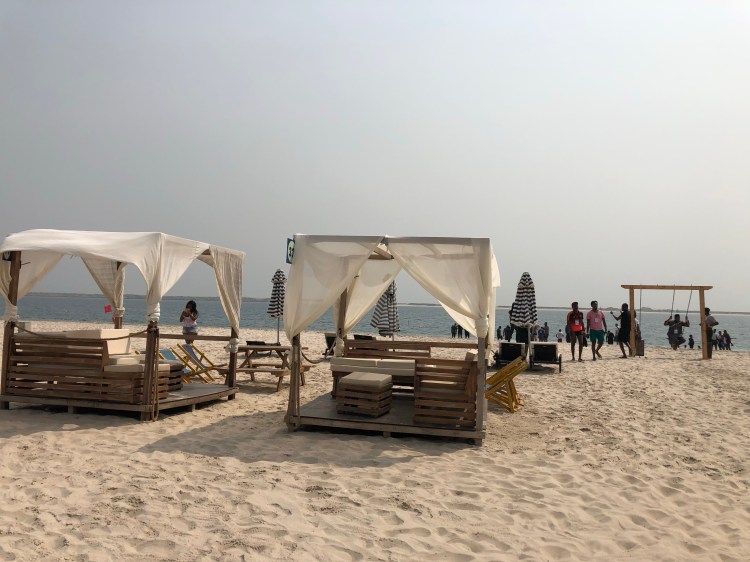
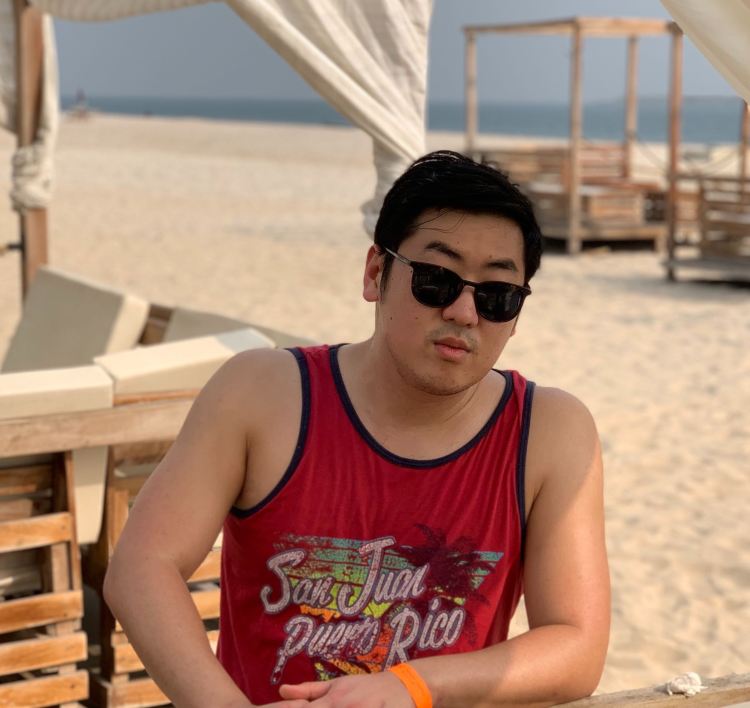
After the Paystack offsite (more on that in the future), we went to Landmark Beach and rented some cabanas. I tried swimming a bit, but mostly lounged around since it was pretty hot.
Disclaimer: Since I’ve never written a blog before, I will be experimenting a bit with format/style/etc.
I’ve officially decided that the biggest difference between living in Nigeria and the US….is having to work on a Mac laptop. All joking aside, for the amount of time that I spend on a computer (8+ hours a day) not being able to use regular keyboard shortcuts started out as a huge pain. For example, why do macs have the command key?
But, at the end of the day I’ve begun to get used to it. Similarly, I’ve begun to acclimate to living here in Nigeria. Some things that I’ve had to adjust to since leaving the US:
Limited brewedcoffee – I’m back to the instant stuff. I ended up buying one of the “3-in-1” Nescafe packs that have sugar/cream/coffee powder mixed together, it’s a bit sweet but I used to drink this in college so I’m used to it. Brewed coffee is not really a thing here since it’s pretty expensive. People swear by Nescafe Gold though as the most drinkable instant stuff.
The heat – while there is A/C (thank God) in both my apartment and the office, the temperature last week was high 80’s but felt like low 100’s with humidity. My first week here I felt like I was constantly sweating.
Limited wi-fi/data usage – When I’m not in the office on wif-fi, I tether to a mi-fi device provided by Paystack which shows how much data I use. Seeing my usage across my phone and computer has been pretty sobering. I’ve been trying to cut back after realizing what a data junkie I’ve been (5GB in 3 days).
Brushing my teeth using bottled water – to make sure I don’t get cholera
I’ve started to get more used to this. I actually can’t drink any tapwater, but there are watercoolers at the apartment/office that I can refill my waterbottle from.1
Uber safety – usually in Chicago I could jump in an Uber and trust that I was going to get to my destination. Whenever I’m in a car here, I’m always tracking my location to make sure I’m not going to get kidnapped or get driven the long way.
Sidebar: if I was female, this probably wouldn’t make the list as a “difference” between Nigeria and the US. Major props to women, I don’t know how you all survive this because the constant paranoia alone would knock 20 years off my lifespan.
Public transportation – Chicago’s El really can’t be beat, but of course I’m biased.
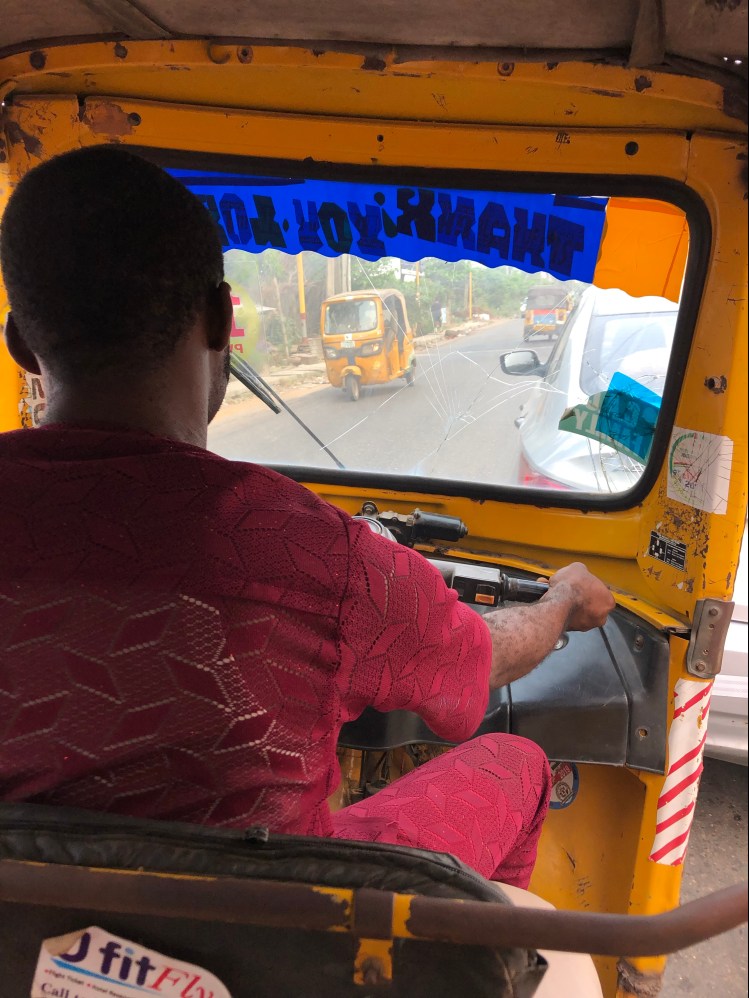
I’ve begun walking to work (~15 minutes) and getting Keke rides the other 50% of the time. However to take a Keke I need to have small bills since a common scam is for people to tell you that they don’t have any change. I’ve started hoarding small bills to save up for when it starts to get hotter in February. Rides usually cost about 200 Naira (or ~$0.60) but require some bartering before you get in (see previous post).
Walking to work versus taking a Keke ride
Rules of the road – driving in Lagos looks and feels terrifying. There’s constantly a stream of cars/kekes/okatas everywhere. I was walking the other day and saw a truck barrel through an intersection 5 seconds after the light had turned red. My Uber drivers take 3-point turns in the middle of oncoming traffic and just ignore the honking.
Unreliable electricity – this is a HUGE problem in Lagos which is solved in most cases by having a back-up electricity generator. While I was having a conversation with my apartment-mate Emmanuel, the lights went out and we continued our talk in the dark for ~2 minutes before it came back on.
A coworker told me that for some startup businesses, the money to pay for electricity can be the most expensive cost
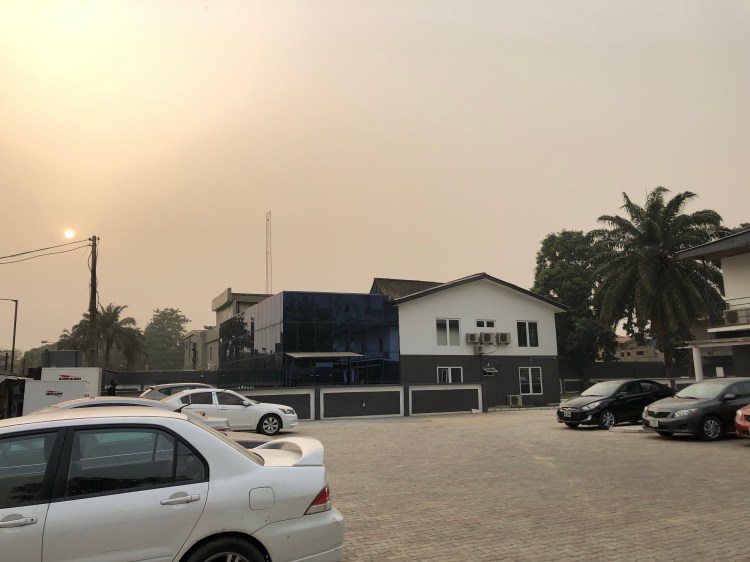
Hazy skies – there’s a wet season and a dry/dust season where sand from the Sahara to the north gives the sky a blanket of haze. It also can apparently lead to extreme allergies. Almost all days are pretty hazy and the sky is generally a grayish-orange color.
Hazy sky over Paystack HQ
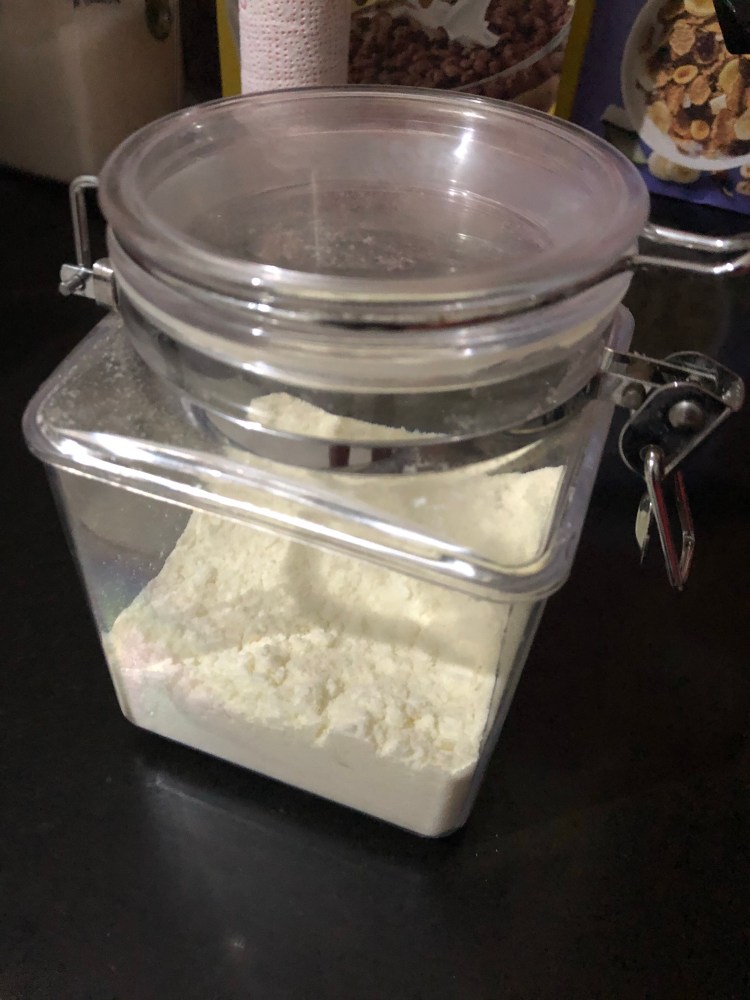
Dehydrated milk – the first time I tried to make it, my other apartment-mate Tiku had to help me. It was a bit embarrassing though since you just add powder/water and then mix it.
Side note: I’ve quickly become a fan of this actually. It’s milk on-demand that doesn’t go bad. You also get to determine the “milkiness” of it so there’s no debate about buying “whole” vs. “skim,” simply add as much powder as you want and go from there.
Milk powder, just add water!
Taking a step back, all of the above comes in as complaining and my gut reaction was to think: “#firstworldproblems.” But now that I’m here, it begs the question: what is a “first world problem?”
The term “third world” is actually a political rather than an economic term and it’s more popular in western countries.2 At the time, the third world countries were less wealthy so the phrase became synonymous with impoverished. However, the phrase also ignores areas in developed countries which experience deep issues of rural/urban poverty. So what should be used instead of “third world?” Other terms include: developing countries, low- and low-middle-income countries (LICS and MICS), lean economies, or the Majority World.3 The last term in particular is noteworthy since traditional “first-world” countries are the “minority world” while the rest of “Majority World” encompasses a significant portion of the world’s population (e.g. the 80% of humanity who lives off of <$10 a day.) Additionally, there are other ways in which social networks in Majority World countries can be stronger and make up for deficiencies that “developed” countries experience (childcare, support after loss of family members). All this is to note that strength of economy is only one way to compare countries. Some ways in which my life in Lagos has been an improvement over living in the US:
People are friendly and greetings are very important. When I’m walking to work, I say “good morning” or “good afternoon” at least 5-10 times
People are incredibly entrepreneurial. It feels like many of my coworkers have had their own startups or have additional side hustles. Yesterday a guy approached me in the grocery store to ask if I needed to hire any programmers for work I was doing. I politely declined.
My apartment is larger in size than any of my previous residences in Chicago
We have a housekeeper (Rachel) for the apartment who takes care of dishes and cleaning in the apartment
This by itself feels like extreme/unnecessary luxury in comparison to life in Chicago
Don’t worry, I still do my own laundry
The team at Paystack is incredibly diverse internationally and I’ve gotten to interact with folks coming in from South Africa, Ghana, Kenya, Senegal, France, Turkey, and of course Nigeria.
At this point, it’s worth calling out that I’m working a premier fintech startup which lends itself to a high degree of comfort. While there are many things that are different about Lagos and Nigeria, I personally have had a minor transition from one level of privileged living to another almost equivalent level of privilege. There are still many many people in Lagos who are incredibly impoverished, and so by that fact my relative level of privilege is much higher compared to the average standard of living. I have A/C, working plumbing, and a backup generator; but there are many people who can’t afford these luxuries. At the same time, #firstworldproblems aren’t just for people in the US. There are also wealthy business tycoons in Lagos who can pay top dollar for luxury apartments on Banana Island/mansions in Lekki and can complain about trivial issues like having slow wi-fi or a low phone battery. It seems that no matter what country you’re living in, humans seem to have a knack for creating income-disparity.4
So after a bit of reflection and reading, I have a different perspective of the first-world/third-world terminology. At its best, the distinction paints economic differences in broad strokes (insensitively). At its worst, it’s problematic and omits the mindset and nuances of what it means to grow up in a Majority World country where people can have wide range of experiences depending on their socioeconomic status and background.
The other day, I saw my coworker give money to somebody who was begging. I told him: “I’m hesitant to give people money because I’m afraid I might get robbed.” He told me he understood, but also that if somebody was going to rob me, I was probably just going to be robbed regardless of my actions. He also shared with me his philosophy:
“The way I see it: no matter who you are or what your background is, no matter what happened to you or what you’ve done. Nobody should have to beg for money.”
Stay tuned next time for a deep-dive on working at Paystack!
Disclaimer: Since I’ve never written a blog post before, I will be experimenting a bit with format/style/etc.
I made it to Nigeria!!!!!!!!!! It is (for better or for worse) everything more than what I could have imagined.
Backing up a little, my total travel time from wheels up in Chicago to landing in Lagos was a 38.5 hour journey, though only 22.5 of that was actual flight time due to layover in Doha. When I landed in Doha, after about 8 wrong directions and 1.5 hours later (it’s quite a large airport), I obtained my hotel voucher and dropped my bag off before going on a city tour. The tour was 2.5 hours and not bad, (see instagram post for pictures), but the stops were a bit short likely due to the fact that it started at 9:30PM and most things were closed by then.
The next morning we took off from Doha and made it to the Murtala Muhammed Airport (LOS) around 4PM. I had read travel blogs before about how crowded the airport could get, and was prepared for the worst. I imagined that there would be long lines, incessant bribery of immigration officials, no air conditioning in the baggage claim so I would be dripping in sweat. However, since I was on a flight that landed during the day, I was slightly overprepared. While I was asked for a bribe within the first 5 minutes of leaving the plane (“Happy New Year! Do you have a present for me?”), the immigration line was not too crowded and the baggage claim only took 20 minutes instead of an hour. Priscilla at Paystack did a great job with logistics and there was an entire caravan of people that took care of me: somebody took me through immigration to baggage claim, another guy walked me from baggage claim to the parking garage, and finally the driver took me to the Paystack apartment. The apartment is a 3-bed suite-style with a kitchen and dining room so it almost feels like being back in college. Funnily enough, both my bedroom and bathroom are larger than any of my previous living situations in Chicago.
Okata Ride
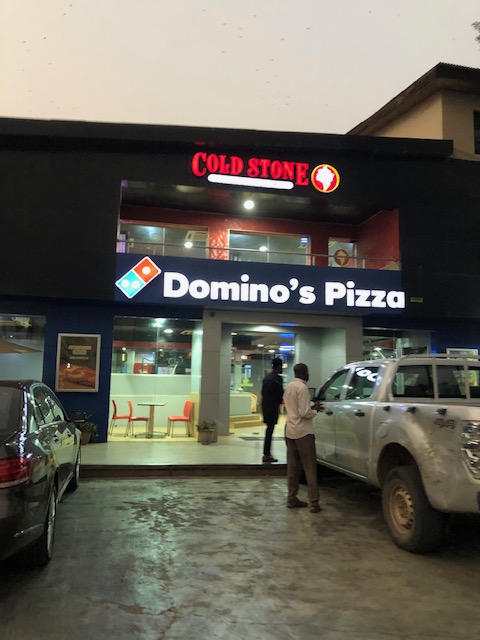
After unpacking most of my things, I was starving and it was starting to get dark so I google map’d directions to the nearest grocery store planning to walk ~15 minutes. As I was leaving, I said hello to the guards (Austin and Patrick) on my way out. When I asked them to confirm which way to the grocery store Austin offered to get me a ride and flagged down a Keke (3-wheeled transport). The Keke driver saw that I was foreign so he demanded $50 for a lift and drove off angrily when we refused. We walked a bit further and Austin flagged down an Okada (motorcycle) and asked the guy to give me a lift. I was a bit confused but then hopped on the back and went off – no helmet or anything. The ride was pretty thrilling since we went probably somewhere between 40-50 mph max speed and my only thought was “I will die if I fall off right now.” At one point we went over a few bumps and I could feel my rear starting to slide a tiny bit off the seat. After about 5 minutes of white-knuckled shoulder gripping on my part, the guy dropped me off at my destination….Domino’s pizza. Since I had already made the trip, I ordered a Suya chicken pizza. As I was leaving, it was already dark so I called an Uber ride. As I was getting in, some folks from Paystack shouted my name and ran up to the car – apparently they had stopped by the apartment to bring me food but had been told by the guards that I had jumped on the back of a motorcycle and gone off to Domino’s. As Okada’s are known to be a bit dangerous, they had come over to make sure that I had made it safely. All in all, it was quite an adventure for the first night in Nigeria. The next couple days were an exciting blur including some brief food poisoning, getting started at Paystack (future blogpost), mild insomnia from the jetlag, and a lot of sweating as I’ve tried to start acclimating to the heat. It’s currently about 90F but feels like 102F with humidity (*pant*). Overall, things are great and though it’s exciting to finally have arrived, I do miss people/Chicago a lot.
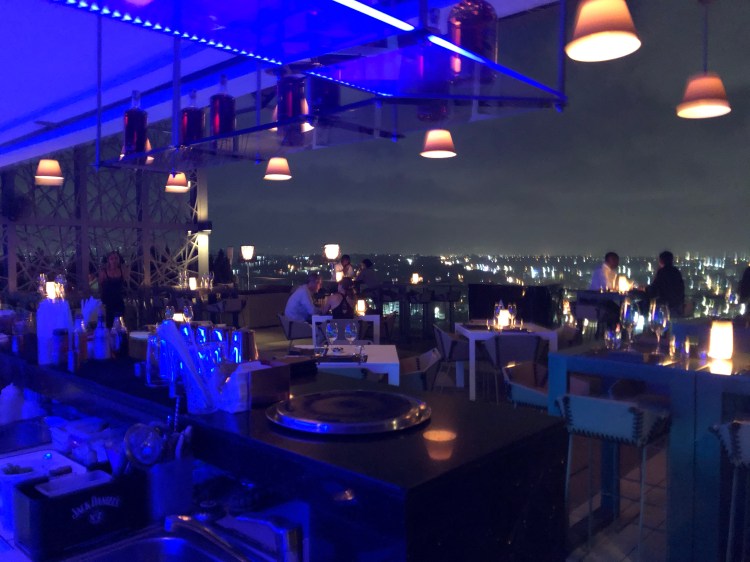
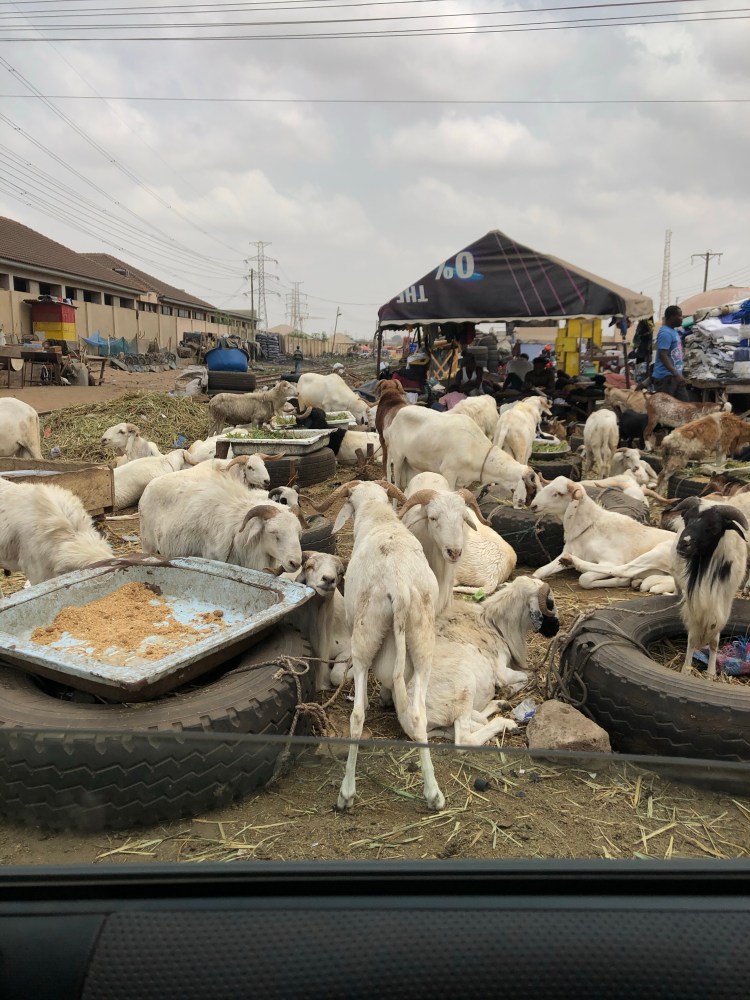
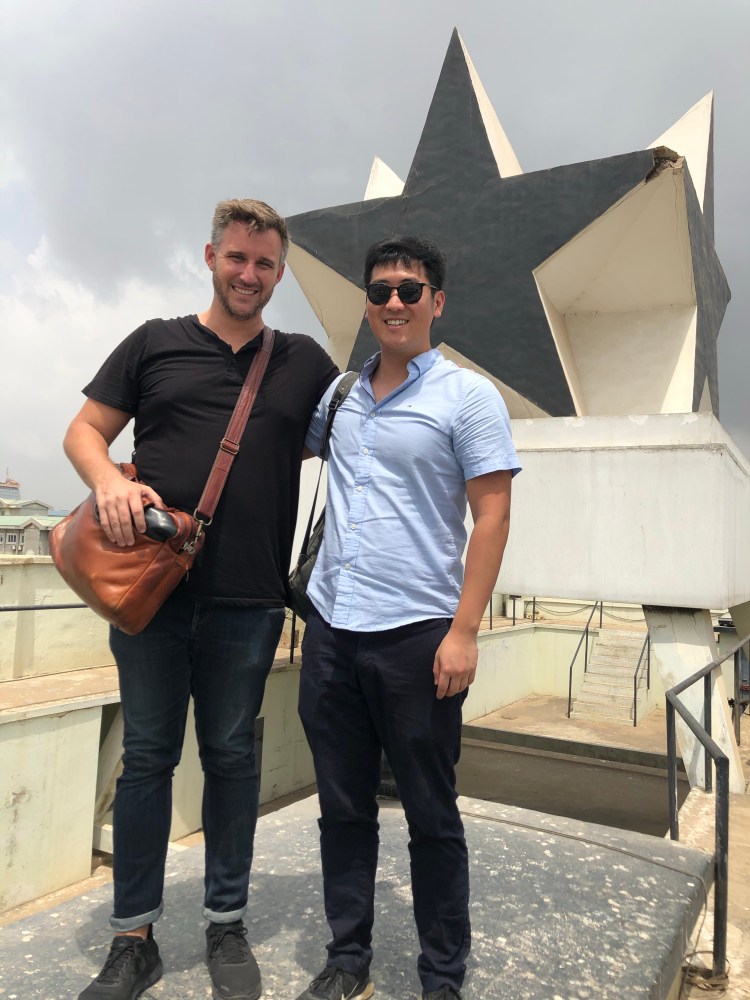
I don’t really know a great way to end, so I’ll just drop some pictures below. If you’ve read this far to the end, hopefully it was interesting – if not, stay tuned for a better update in a few days.
Hi all! This is my blog to update folks on my life as I move to Lagos, Nigeria for 6 months beginning in January of 2020. I have accepted fellowship position with Alter and will be joining the company Paystack.
I’ll cover my personal/professional experiences for people interested and in order to stay connected to folks back home in the U.S. My plan to send weekly or bi-weekly updates. If you’re interested in getting updates whenever I post new content please subscribe below!


 Spencer in Lagos